
- Waarom zijn servercapaciteiten zo sterk toegenomen?
- Waarom stijgt de tweedehands servermarkt?
- Slijten servers in datacenters echt?
- PlusClouds & Radius Partnerschap: Een tweede leven voor servers
- Hoe werkt het vernieuwingsproces?
- Kan een 5 jaar oude server nog steeds de klus klaren?
- Economisch voordeel: CAPEX vermijden
- Duurzaamheid en vermindering van e-afval
- Conclusie: Servers zijn geen afval, ze zijn waardevolle activa
De afgelopen jaren heeft de serverwereld een significante transformatie ondergaan. Vooral aan de processorkant (CPU) is er een echte sprong gemaakt. Terwijl 16- en 32-core processors ooit als "hoog presterend" werden beschouwd, zijn tegenwoordig 64-core en hogere CPU's de standaard geworden.
Grote fabrikanten, met name Intel en AMD, hebben de concurrentie op de datacentermarkt vergroot. Met de versnelling van technologie-investeringen in de VS zijn servers met ultrahoge capaciteit toegankelijker geworden. Echter, een kritisch probleem is ontstaan: voor middelgrote bedrijven vertegenwoordigen servers van de nieuwe generatie met hoge CPU-capaciteit nu een serieuze investeringslast.
Deze situatie is een van de belangrijkste factoren geworden die de groei van de wereldwijde markt voor gereviseerde servers aandrijft. Dus, zijn 5 jaar oude servers nog steeds nuttig? Onze gids over het verhogen van CPU capaciteiten en de stijgende tweedehands servermarkt beantwoordt deze vraag.
Waarom zijn servercapaciteiten zo sterk toegenomen?
Vooral cloud computing, kunstmatige intelligentie en big data-projecten hebben de behoefte aan hogere verwerkingskracht in datacenters vergroot. In dit proces:
- Is de virtualisatiedichtheid toegenomen.
- Zijn containerarchitecturen wijdverspreid geworden.
- Zijn AI/ML-werklasten gegroeid.
Als u een virtuele cloudserver wilt huren, kunt u onze gedetailleerde virtuele serverhuurhandleiding bekijken.
In het verleden boden bepaalde merken hoogcapaciteitsprocessors aan in speciale segmenten, maar nu zijn CPU's met 64 cores en hoger algemeen verkrijgbaar op de markt. Hoewel dit aan de ene kant de prestaties verhoogt, drijft het aan de andere kant de hardwarekosten op.
Als gevolg hiervan:
- Is het kopen van een nieuwe server moeilijker geworden
- Zijn CAPEX-kosten gestegen
- Is de hardwarevernieuwingscyclus verlengd voor middelgrote bedrijven
- En op dit punt heeft de tweedehands serversector aan kracht gewonnen.
Waarom stijgt de tweedehands servermarkt?
In het verleden boden bepaalde merken hoogcapaciteitsprocessors aan in speciale segmenten, maar nu zijn CPU's met 64 cores en hoger wijdverspreid geworden. Hoewel dit aan de ene kant de prestaties verhoogt, heeft het ook de hardwarekosten aan de andere kant opgedreven.
Als gevolg hiervan zijn servers van de volgende generatie een aanzienlijke investeringslast geworden voor middelgrote bedrijven, zijn CAPEX-kosten gestegen en is de hardwarevernieuwingscyclus verlengd. Op dit punt heeft de tweedehands serversector wereldwijd aan kracht gewonnen.
Waarom stijgt de tweedehands servermarkt?
Bedrijven over de hele wereld stellen nu deze vraag: “Heb ik echt de nieuwste hardware nodig, of is een tweedehands server van 3-5 jaar oud voldoende voor mijn huidige werklast?”
In de meeste scenario's is het antwoord duidelijk: Ja, het is voldoende. Een bedrijfsserver die een goed onderhouds- en testproces heeft ondergaan, is meer dan geschikt voor ERP-systemen, webapplicaties, databaseservers en testomgevingen. Echter, het kritieke punt is dit: Een tweedehands server is geen "schroot"; het moet een professioneel proces doorlopen.
Slijten servers in datacenters echt?
Ja, 24/7 ononderbroken operaties in datacenters, hoge temperatuurscycli en slijtage van schijven kunnen apparaten verslijten. Apparaten waarvan de garantie is verlopen, kunnen als risicovol worden beschouwd; echter, een goed vernieuwingsproces elimineert dit risico. Tweedehands servers worden niet weggegooid; in de juiste handen worden ze weer in productie gebracht.
PlusClouds & Radius Partnerschap: Een tweede leven voor servers
Als PlusClouds bieden we dankzij onze samenwerking met Radius Bilgisayar uitgebreide vernieuwings- en garantie-uitbreidingsdiensten aan voor tweedehands servers. Als u servers heeft waarvan de garantieperiode is verlopen of die als back-ups worden bewaard, integreren we deze apparaten opnieuw in de economie door ze op te nemen in de technische processen van Radius.
Hoe werkt het vernieuwingsproces?
Het proces bestaat uit drie hoofdfasen:
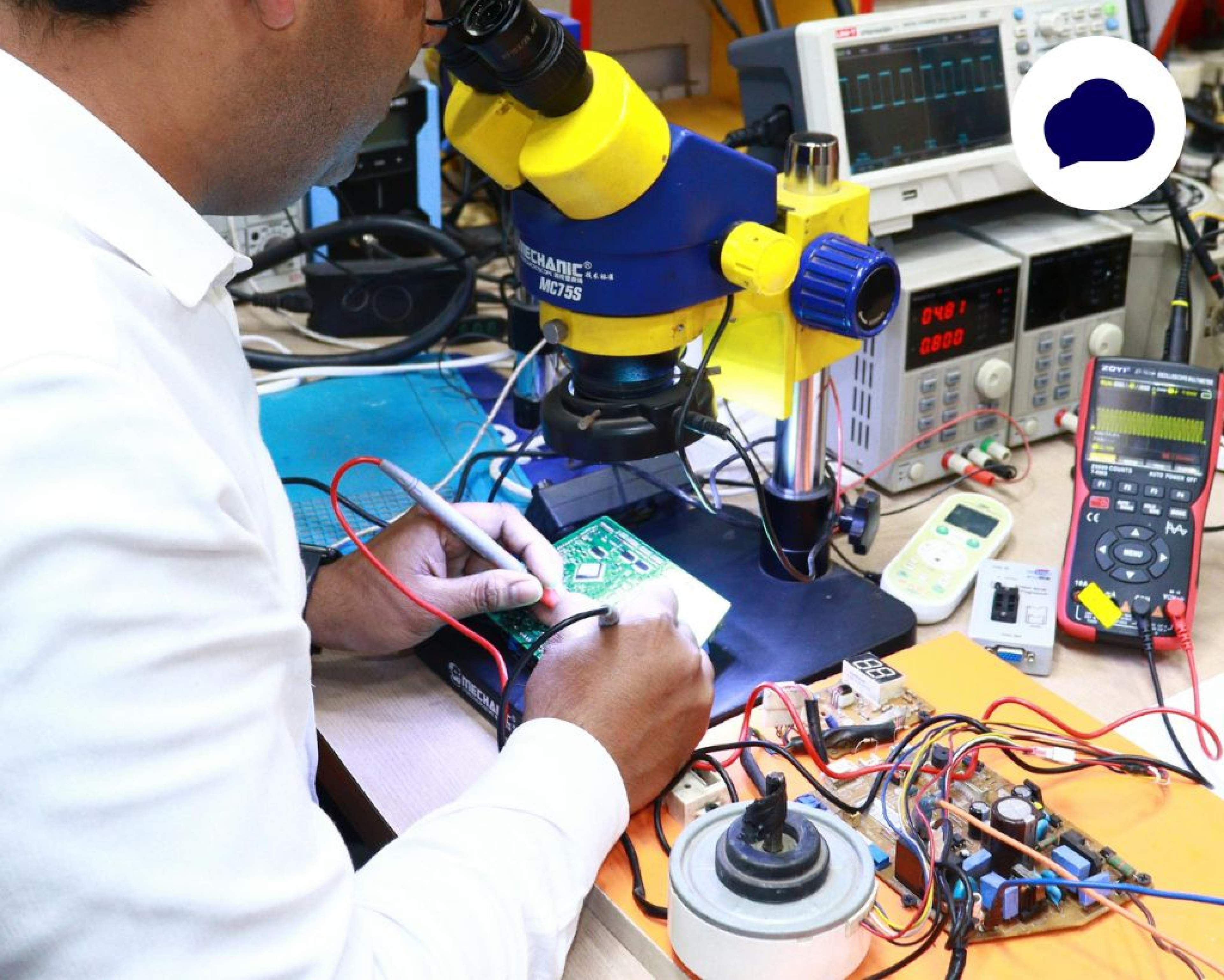
- Gedetailleerde hardwarecontrole: CPU-stresstests, RAM-verificatie en schijfgezondheidsanalyses worden uitgevoerd.
- Reiniging en vernieuwing: Fysieke interne reiniging, vervanging van thermische pasta en optimalisatie van componenten worden uitgevoerd.
- Garantie-uitbreiding: Als het meest kritieke voordeel wordt er een nieuwe garantieperiode gedefinieerd voor deze servers, wat veilig gebruik garandeert.
Kan een 5 jaar oude server nog steeds de klus klaren?
Ja, als het aantal CPU-cores aan uw behoeften voldoet en NVMe/SSD-upgrades mogelijk zijn, kan een 5 jaar oude bedrijfsserver krachtiger zijn dan veel nieuwe instapservers. Onthoud dat bedrijfsapparaten al ontworpen zijn voor een lange levensduur.
Economisch voordeel: CAPEX vermijden
In plaats van te investeren in een nieuwe 64-core server, is het upgraden van het bestaande apparaat veel kosteneffectiever. Deze aanpak biedt aanzienlijke verlichting voor MKB's en hostingproviders. Om uw budget efficiënter te beheren, kunt u ons artikel Kostenbesparing met Cloud Computing bekijken.
Duurzaamheid en vermindering van e-afval
De vernieuwingsaanpak is niet alleen economisch verantwoord, maar ook milieuvriendelijk. Elektronisch afval wordt verminderd, de ecologische voetafdruk neemt af en de levenscyclus van hardware wordt verlengd. Gereviseerde servers zijn een onmisbaar onderdeel van een duurzame IT-strategie.
Conclusie: Servers zijn geen afval, ze zijn waardevolle activa
Hoewel de hardwarecyclus in de technologiewereld versnelt, is een 5 jaar oude server met de juiste onderhouds- en garantie-uitbreidingsprocessen nog steeds een krachtig bezit. Met het PlusClouds & Radius partnerschap kunt u uw robuuste infrastructuur behouden zonder hoge investeringskosten te maken en uw bestaande middelen op de slimste manier benutten.
Nieuw kopen is niet altijd de slimste keuze; soms is de beste investering het meeste halen uit wat je al hebt.