Artificial Intelligence

What is TinyML?

Ece Kaya

Ece Kaya

Content Strategist

Cloud infrastructure & B2B marketing

Quick Summary

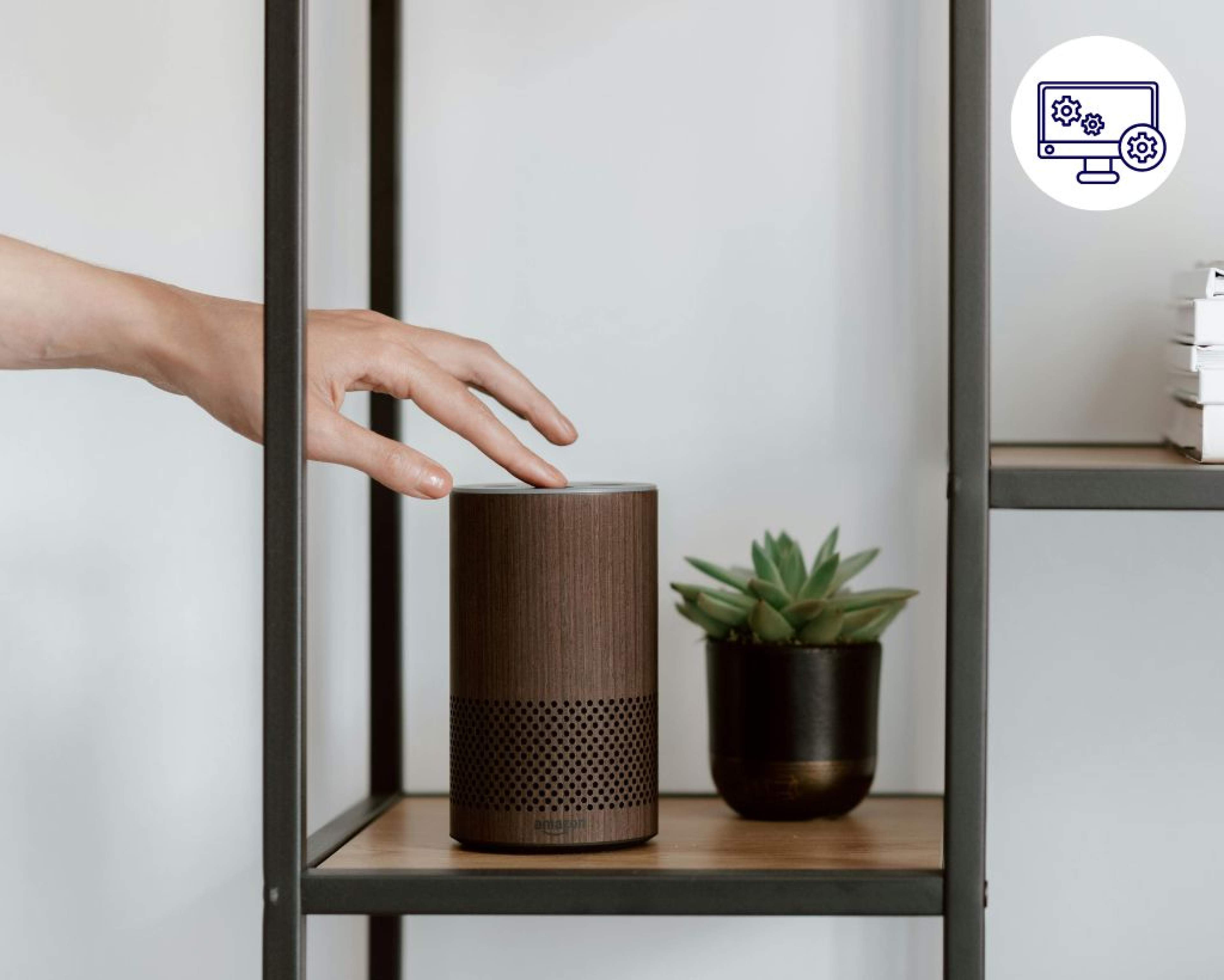
Artificial intelligence and machine learning are no longer limited to systems connected to large servers and powerful processors. These technologies can now find their way into our pockets, our homes, and even our fields. A key concept in this transformation is TinyML. So, what is TinyML, and why is it so important? TinyML refers to machine learning models that run on low-power, limited-hardware devices. This technology allows data to be processed directly on the device, eliminating the need to send data to the cloud. This both speeds up processing and minimizes energy consumption.
What is TinyML?
Artificial intelligence and machine learning are no longer limited to systems connected to large servers and powerful processors. These technologies can now find their way into our pockets, our homes, and even our fields. A key concept in this transformation is TinyML. So, what is TinyML, and why is it so important? TinyML refers to machine learning models that run on low-power, limited-hardware devices. This technology allows data to be processed directly on the device, eliminating the need to send data to the cloud. This both speeds up processing and minimizes energy consumption.

What is TinyML?

TinyML is short for "Tiny Machine Learning." This technology enables machine learning models to run even on very simple processors called microcontrollers. These devices often have only a few kilobytes of RAM. Thanks to TinyML, even these limited devices can collect data from their environment, analyze it, and make decisions autonomously. One key difference is that processing occurs directly on the device, not in the cloud. This both increases data security and reduces network dependency. Furthermore, thanks to the minimization of latency, systems that respond in real time can be developed.

What are the Advantages of TinyML?

When answering the question "What is TinyML?", it's important to also address its advantages. The biggest advantage is energy efficiency. TinyML enables the creation of functional AI applications even on very low-power devices. This extends battery life and opens the door to sustainable technologies. Another advantage is privacy. Because data is processed on the device, it isn't sent externally, a significant advantage for protecting personal data. Furthermore, by reducing connectivity requirements, it's possible to provide intelligent functionality in environments without an internet connection.

What are the Application Areas of TinyML?

TinyML is rapidly spreading across many sectors. For example: • Sensors that detect sound and turn on lights in smart home systems • Devices that measure soil moisture and manage irrigation systems in agriculture • Systems that analyze vibration data and diagnose faults in industry • Wearable technologies that monitor heart rate or movement in healthcare. The common thread in all these examples is that the devices make their own decisions in the field and don't require central processing power. This makes the system faster, cheaper, and more secure.

TinyML Technologies for Developers

A variety of open-source tools are available for developing TinyML applications. Some of the most commonly used include: • TensorFlow Lite Micro • Edge Impulse • Arduino IDE • uTensor. These tools allow developers to optimize classic machine learning models to make them microcontroller-compatible. Training typically occurs in the cloud or on the desktop, while model inference occurs directly on the device.

The Power is With You in TinyML Projects with PlusClouds

![](https://plusclouds.publit.io/file/5hrdoQUMDaPFkb0pALsb14J1ZKIbWQ75ZDI4TDp2.jpg 'hybrid server.jpg') If you want to manage, update, and securely analyze data on the smart devices you develop, the right infrastructure is just as important as the software itself. That's where PlusClouds comes in. With its robust cloud infrastructure for IoT and TinyML projects, PlusClouds ensures your devices are always accessible, secure, and traceable. Offering flexible solutions for end-to-end connectivity, data processing, and remote device management, PlusClouds allows you to seamlessly scale your AI-powered systems. If you're looking to understand what TinyML is, not just in theory but also in practice, you can take your project further with PlusClouds' cloud-supported solutions. For more information: [ PlusClouds ](https://plusclouds.com/us/cloud/storage)

How TinyML Is Shaping the Future

Making technology less energy-intensive, more secure, and more intelligent is possible through approaches like TinyML. With billions of devices connected to the internet today, providing server power to each one is unrealistic. TinyML fills this gap, bringing intelligence to the edge. This reduces carbon footprint and protects data privacy. Applications that require real-time response can also operate faster and more efficiently. In short, the answer to the question "What is TinyML?" isn't just a technological advancement; it's also a vision for a more sustainable, more efficient, and more accessible digital world.

Frequently Asked Questions (FAQ)

**What is TinyML? Could you briefly define it?** TinyML is a machine learning application that runs on devices with low power and limited hardware resources. **Which devices can work with TinyML?** Microcontrollers, sensor-based systems, wearable devices, smart home devices, and industrial IoT products are compatible with TinyML. **What tools are used to develop TinyML applications?** Open source tools such as TensorFlow Lite Micro, Edge Impulse, Arduino IDE, and uTensor are widely used. **Why is TinyML energy efficient?** Since model inference occurs within the device, no data is sent. This saves both energy and time. **Is TinyML replacing cloud systems?** No, TinyML does not replace the cloud; it complements it. TinyML is especially advantageous in situations where instantaneous decisions are required and connectivity is limited.

Conclusion

Today, it has become a pressing need for devices to evolve from passive data-gathering tools into systems capable of active decision-making. At this point, the question "What is TinyML?" has become one of the fundamental questions shaping the future of technology. Thanks to its low power consumption, real-time processing capacity, and data privacy, TinyML is making a significant difference in many sectors, including healthcare, agriculture, industry, and consumer electronics. These systems, which operate without relying on the cloud, improve the user experience while also supporting environmental sustainability. These developments present brand new opportunities not only for large corporations but also for individual developers and small businesses. The proliferation of open-source tools is making TinyML accessible to everyone. Ultimately, the question "What is TinyML?" represents not only a technical concept but also a perspective on the future of the digital world. It is crucial for anyone seeking to create smarter systems with less energy to thoroughly understand this technology and integrate it into their applications.
#What is TinyML? TinyML#artificial intelligence

Frequently Asked Questions

What is TinyML?

TinyML stands for Tiny Machine Learning. It enables machine learning models to run on very simple, low-power devices like microcontrollers, which often have only a few kilobytes of RAM. Processing happens on the device rather than in the cloud, increasing data security and reducing network dependence, while also enabling real-time responses.

Which devices can work with TinyML?

Microcontrollers, sensor-based systems, wearable devices, smart home devices, and industrial IoT products can run TinyML. These devices process data locally and make autonomous decisions without relying on powerful servers.

What tools are used to develop TinyML applications?

Open-source tools such as TensorFlow Lite Micro, Edge Impulse, Arduino IDE, and uTensor are commonly used to develop TinyML applications. Training usually happens in the cloud or on a desktop, while model inference runs directly on the device.

Why is TinyML energy efficient?

Because the model runs inference on the device, no data needs to be sent to the cloud, which saves energy. It also reduces latency and helps devices operate longer on limited power.

What are the application areas of TinyML?

Applications include smart home sensors that detect sound and control lights, soil moisture sensing for irrigation in agriculture, vibration analysis for fault diagnosis in industry, and wearable health monitoring devices. In all cases the devices make decisions locally without needing central processing, making systems faster, cheaper, and more secure.

Where does training and inference occur in TinyML workflows?

Training typically occurs in the cloud or on a desktop, while model inference runs directly on the device. This separation allows models to be optimized for microcontrollers and deployed on-site.

How can PlusClouds support TinyML projects?

PlusClouds provides cloud infrastructure for IoT and TinyML projects to help manage, update, and securely analyze data from smart devices. It offers end-to-end connectivity, data processing, and remote device management, enabling scalable AI-powered systems.

How is TinyML shaping the future?

TinyML aims to make technology less energy-intensive, more secure, and more intelligent by bringing AI to the edge. As billions of devices connect to the internet, TinyML helps reduce carbon footprint and protect data privacy while enabling real-time, efficient responses.

What is TinyML? | PlusClouds Blog