
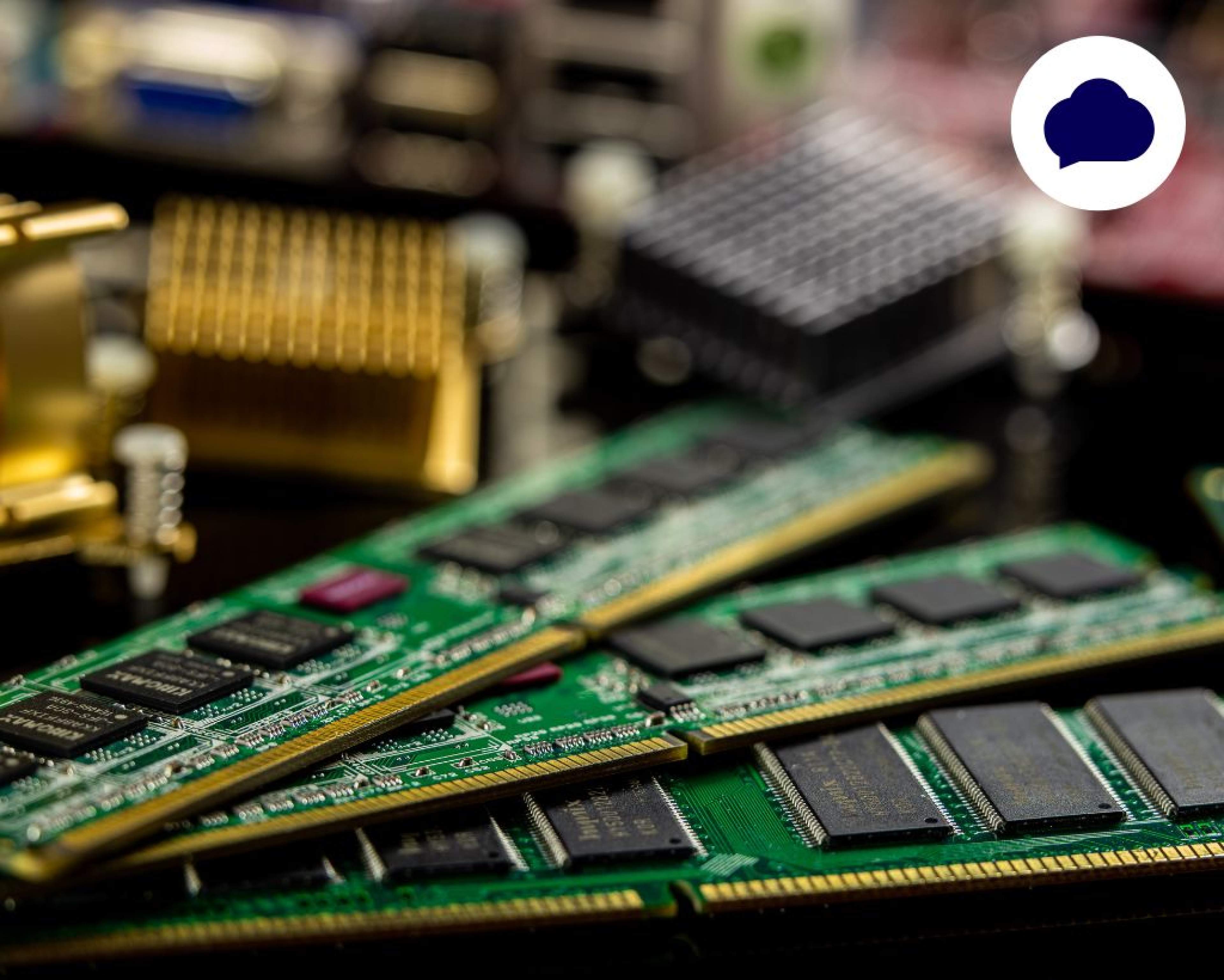
- RAM Neden Hiç Olmadığı Kadar Önemli?
- Yapay Zekanın İş Yükü ve Geleneksel Uygulamalar Arasındaki Fark
- Büyük Dil Modellerinin Yarattığı Bellek Patlaması
- Eğitim (Training) ve Çıkarım (Inference): İki Ayrı RAM Krizi
- Moore Yasası Artık Neden Bizi Kurtarmıyor?
- Küresel RAM Arzındaki Kısıtlar
- Bulut Sağlayıcıları ve Bellek Yarışı
- Bellek Kısıtlı Bir Yapay Zeka Çağında Bulut Altyapı Sağlayıcılarının Rolü
- Ekonomik ve Çevresel Etki
- RAM Kıtlığına Yönelik Olası Çözümler
- 1. Model Optimizasyonu
- 2. Bellek Hiyerarşisi İnovasyonu
- 3. Yazılım Seviyesinde Verimlilik
- 4. Edge ve Özelleşmiş Yapay Zeka
- Yapay Zekanın Geleceği İçin Anlamı
- Sonuç: Belleksiz Bir Dünya
“Dünyanın RAM’i tükeniyor.”
Bu iddia, binlerce viral TikTok videosunun arkasındaki ana söylem. İlk bakışta bir tık tuzağı (clickbait) gibi görünse de, rahatsız edici gerçek şu ki yapay zeka (AI), küresel bellek altyapısını çoğu insanın fark ettiğinden çok daha hızlı bir şekilde tüketiyor.
Yapay zeka artık geleceğe ait bir kavram değil; günümüzün somut bir altyapı problemi. Büyük dil modelleri (LLM’ler), üretken yapay zeka sistemleri, otonom ajanlar ve gerçek zamanlı analiz platformları benzeri görülmemiş bir hızla ölçeklenirken, dijital çağın en kritik darboğazı sessizce ortaya çıkıyor: RAM (Random Access Memory yani Rastgele Erişimli Bellek).
Giderek daha fazla uzman şu provokatif soruyu soruyor:
Yapay zeka devrimini destekleyecek kadar RAM dünyada gerçekten var mı?
Bu makale, yapay zekanın neden patlayıcı bir bellek talebi yarattığını, bunun nasıl küresel bir RAM kıtlığına yol açabileceğini, bunun bulut sağlayıcıları, kurumlar ve tüketiciler için ne anlama geldiğini ve sektörün bu duruma nasıl uyum sağlayabileceğini inceliyor.
RAM Neden Hiç Olmadığı Kadar Önemli?
RAM, bir bilgisayarın “çalışma belleğidir”. Depolamadan (SSD veya HDD) farklı olarak RAM, şu unsurları belirler:
Aynı anda ne kadar veri işlenebileceğini
Modellerin ne kadar hızlı yanıt verebileceğini
Uygulamaların gerçek zamanlı olarak ölçeklenip ölçeklenemeyeceğini
Yıllardır ana performans metriği CPU hızıydı. Günümüzde ise, özellikle yapay zeka sistemlerinde, bellek kapasitesi ve bant genişliği, ham işlem gücünden çok daha kritik hâle gelmiş durumda.

Yapay zeka için yeterli RAM yoksa, model çalışmaz.
Yapay Zekanın İş Yükü ve Geleneksel Uygulamalar Arasındaki Fark
Geleneksel uygulamalar:
- Web sunucuları
- Veritabanları
- Ofis yazılımları
- ERP sistemleri
Görevleri:
- Görece küçük veri parçaları işler
- Disk I/O’ya dayanır
- Gecikmeye toleranslıdır
Yapay zekanın görevleri ise:
- Tüm modeli belleğe yükler
- Yoğun paralellik gerektirir
- Sürekli çalışır
- Aşırı derecede bellek tüketir
Temel fark: Geleneksel yazılımlar CPU ile ölçeklenir. Yapay zeka ise RAM ile ölçeklenir.
Büyük Dil Modellerinin Yarattığı Bellek Patlaması
Modern yapay zeka modellerine bakalım:
| Model | Parametre Sayısı | Çıkarım (Inference) için Gerekli RAM |
|---|---|---|
| GPT-3 | 175 milyar | ~350–700 GB |
| GPT-4 sınıfı modeller | Trilyonlarca (tahmini) | Birkaç TB |
| Açık kaynak LLM’ler (70B) | 70 milyar | 140–280 GB |
Bu rakamlar tek bir örnek içindir.
Şimdi bunu şunlarla çarpın:
Binlerce eş zamanlı kullanıcı
Yedeklilik gereksinimleri
Yüksek erişilebilirlik kümeleri
Edge (uç) dağıtımlar
Bir anda, hizmet başına terabaytlarca RAM normal hâle gelir.
Eğitim (Training) ve Çıkarım (Inference): İki Ayrı RAM Krizi
Yapay Zeka Eğitimi
Model eğitimi şunları gerektirir:
Devasa GPU kümeleri
Aşırı yüksek bant genişlikli bellek (HBM)
Senkronize bellek erişimi
Tek bir eğitim süreci:
Zaman içinde petabaytlarca bellek tüketebilir
On binlerce GPU kullanabilir
Yapay Zeka Çıkarımı (Inference)
Çıkarım, yani modellerin kullanıcılara servis edilmesi, farklı bir problem yaratır:
Kalıcı bellek kullanımı
Sürekli açık modeller
Yatay ölçekleme ihtiyacı
Bu da geçici kullanım yerine sürekli RAM işgali anlamına gelir.
Moore Yasası Artık Neden Bizi Kurtarmıyor?
Moore Yasası, transistör yoğunluğunun üstel olarak artacağını öngörüyordu. Ancak:
RAM yoğunluğundaki artış yavaşladı
Bellek gecikmelerinde neredeyse hiç iyileşme yok
GB başına enerji tüketimi artıyor
Üretim karmaşıklığı giderek yükseliyor
Buna karşılık yapay zeka modellerinin boyutu, donanım gelişiminden çok daha hızlı büyüyor. AI talebi yüksek, RAM arzı ise doğrusal. Yaklaşan kıtlığın özü tam olarak bu uyumsuzluk.
Küresel RAM Arzındaki Kısıtlar
Sınırlı Üreticiler
Küresel RAM pazarı büyük ölçüde şu firmaların elinde:
Samsung
SK Hynix
Micron
Bu durum:
Tedarik zinciri kırılganlığı
Fiyat oynaklığı
Jeopolitik risk
yaratıyor.
Rekabet Eden Talep
RAM şu alanlarda da gerekli:
Akıllı telefonlar
PC’ler
Sunucular
Otomotiv sistemleri
IoT cihazları
Yapay zeka hızlandırıcıları
Yapay zeka bu hizmetlerin yerini almaz; üzerine eklenir.
Bulut Sağlayıcıları ve Bellek Yarışı
Büyük bulut sağlayıcıları şimdiden tepki veriyor:
Bellek-optimize sanal makineler (1–24 TB RAM)
Özel silikonlar
Dikey entegrasyon
Sahipli bellek mimarileri
Ancak hiper ölçekli sağlayıcılar bile sınırlarla karşı karşıya:
Veri merkezi güç kısıtları
Soğutma zorlukları
GB başına artan maliyetler
Daha küçük şirketler ve girişimler, yüksek bellekli altyapıya erişimde giderek sistem dışına itiliyor.
Bellek Kısıtlı Bir Yapay Zeka Çağında Bulut Altyapı Sağlayıcılarının Rolü
Yapay zeka iş yükleri nedeniyle küresel RAM talebi hızla artarken, güçlü ve esnek bulut altyapılarının önemi hiç olmadığı kadar kritik hâle geliyor. Hiçbir sağlayıcı bellek üretiminin fiziksel sınırlarını ortadan kaldıramasa da, altyapı platformları belleğin ne kadar verimli tahsis edildiği, ölçeklendiği ve kullanıldığı konusunda belirleyici bir rol oynar.
PlusClouds, tam olarak bu kesişim noktasında konumlanır. Kendini tek amaçlı bir yapay zeka platformu olarak konumlandırmak yerine; hesaplama, depolama, ağ, güvenlik, gözlemlenebilirlik ve yüksek erişilebilirliği kapsayan güvenilir ve ölçeklenebilir bir bulut altyapı temeli sunar. RAM’in kıt ve pahalı olduğu bir dünyada, mimari kararlar ham donanım kapasitesi kadar önemlidir. Daha fazla kontrol gerektiren ekipler için PlusClouds, bellek, işlem gücü ve kaynak profillerinin iş yüküne göre uyarlanabildiği esnek sunucu yapılandırmaları da sunar.
Aşağıdaki yetenekleri destekleyen mimariler tasarlayarak:
Bellek verimli iş yükü dağıtımı
Gereksiz bellek çoğaltması olmadan yüksek erişilebilirlik
Yapay zekâ çıkarımı ve veri yoğun uygulamalar için esnek ölçekleme
PlusClouds, ekiplerin yalnızca ne kadar bellek kullandığına değil, belleği nasıl kullandıklarına odaklanmalarını sağlar. Yapay zeka sistemleri deneysel projelerden, uzun süreli ve üretim ortamında çalışan servislere dönüştükçe, her bir gigabayt RAM ölçülebilir bir maliyet hâline gelir.
Yapay zeka ekosistemi, işlem gücü bolluğundan çok bellek kısıtlarının belirlediği bir geleceğe ilerlerken; verimlilik, şeffaflık ve mimari özgürlüğü önceliklendiren altyapı sağlayıcıları vazgeçilmez ortaklar olacaktır. Bu tür karmaşık altyapı sorularını daha derinlemesine tartışmak ve anlamlı cevaplar almak istiyorsanız, topluluğumuza katılın ve bu dönüşümün bir parçası olun.

Ekonomik ve Çevresel Etki
Artan Maliyetler
RAM fiyatları kıtlık dönemlerinde yükselir
Yapay zeka servisleri pahalılaşır
Küçük üreticiler için inovasyon yavaşlar
Enerji Tüketimi
RAM, boşta bile enerji tüketir:
Sürekli açık çıkarım modelleri
Kalıcı bellek ayak izi
Soğutma yükü
Yapay zekanın çevresel maliyeti giderek bir hesaplama değil, bir bellek problemi hâline geliyor.
RAM Kıtlığına Yönelik Olası Çözümler
1. Model Optimizasyonu
Quantization
Pruning
Seyrek (sparse) mimariler
Mixture-of-Experts (MoE)
2. Bellek Hiyerarşisi İnovasyonu
CXL (Compute Express Link)
Ayrıştırılmış bellek (disaggregated memory)
Birleşik CPU-GPU bellek havuzları
3. Yazılım Seviyesinde Verimlilik
Daha iyi önbellekleme stratejileri
Akış bazlı çıkarım
Stateless mimariler
4. Edge ve Özelleşmiş Yapay Zeka
Daha küçük, göreve özel modeller
Cihaz üzerinde çıkarım
Merkezî bellek baskısının azaltılması
Bunların hiçbiri problemi tamamen çözmez; yalnızca erteler.
Yapay Zekanın Geleceği İçin Anlamı
Bellek kısıtlı bir dünyada:
En büyük modeller kazanır
Sermaye yoğunlaşması artar
Yapay zeka yazılım değil, altyapı olur
Bellek verimliliği rekabet avantajına dönüşür
Gelecekteki atılımlar, daha büyük modellerden değil, daha akıllı bellek kullanımından gelebilir.
Sonuç: Belleksiz Bir Dünya
Artık soru, yapay zekanın küresel RAM arzını zorlayıp zorlamayacağı değil.
Ne kadar yakında zorlayacağıdır.
Yapay zeka, hesaplamanın ekonomisini kökten değiştiriyor. Modeller büyüdükçe ve her alana yayıldıkça, RAM yeni petrol hâline geliyor: kıt, stratejik ve kimin inovasyon yapabileceğini belirleyen bir kaynak.
Yapay zeka devrimi fikirlerle sınırlanmayacak. Bellekle sınırlanacak.