Ensuring security on servers is a critical task for every organization managing digital information. As cyber threats continuously evolve, it is necessary to take comprehensive measures to protect the integrity, confidentiality, and availability of your server. These elements are fundamental in creating a secure environment that safeguards sensitive data and maintains operational reliability.
Neglecting these areas can lead to serious issues such as unauthorized access, data theft, or service interruptions, which can negatively affect your business. Therefore, continuously improving and maintaining server security not only protects your organization's data but also helps you gain the trust of your customers and business partners. Thus, you also strengthen your commitment to data protection and risk management.
Use Strong Authentication Methods
It is important to make strong authentication methods mandatory to protect your server. This prevents unauthorized access and allows only verified users to perform actions on the server. Strong authentication methods are becoming increasingly critical alongside technological advancements. Some authentication methods that enhance security include:
Two-Factor Authentication (2FA): Provides an additional layer of security by requiring two different authentication factors before access is granted. This method minimizes risks associated with stolen or weak passwords, as a second verification step is required for access.
Biometric Authentication: Verifies user identity using unique biological traits such as fingerprints or facial recognition. As technology advances, biometric tools are becoming widespread, enhancing both security and the authentication process.
Use of Strong Passwords: Encourage the use of complex passwords consisting of numbers, letters, and symbols. A strong password policy can significantly reduce the likelihood of successful brute-force attacks. Additionally, enforcing regular password updates can further enhance server security.
Integrating these authentication techniques helps to build a strong defense strategy by reducing the risks of unauthorized access.
Keep Security Updates Current
Regularly updating your server software and applications is vital for closing security vulnerabilities that attackers might exploit. As cyber threats continuously evolve, each update addresses specific security flaws, strengthening your server's defenses. Here are some precautions to consider:
Enable Automatic Updates: Wherever possible, make use of automatic updates to ensure you are always using the most current software versions. This method eliminates human error and prevents critical updates from being overlooked.
Use Patch Management Tools: Employ tools that prioritize and facilitate the rapid deployment of patches. These tools can categorize risks, plan updates, and streamline the process more efficiently. They also offer reporting features regarding security status and potential vulnerabilities, helping you make more informed security decisions.
Consistently applying regular updates and leveraging patch management technologies will significantly enhance your level of protection against cyber threats.
Conduct Regular Security Audits
Conducting regular security audits to identify vulnerabilities in your server and network is critically important. These audits should be meticulously planned and executed by expert professionals who understand the complexities of the server environment.
Some auditing methods that can be utilized to enhance security include:
Vulnerability Scanning: Regularly scan your server for security vulnerabilities using automated tools. These scans help identify outdated software, misconfigurations, and potential points of attack, allowing you to take preventative measures.
Penetration Testing: Simulate controlled cyber attacks to test your server's security. This proactive approach helps in identifying weaknesses that may be overlooked during normal operations.
At PlusClouds, we provide our clients with comprehensive penetration testing services to help businesses strengthen their cyber security strategies. Our expert security team consists of experienced cybersecurity professionals who utilize the latest techniques and methods to test our clients' systems against attacks. In our penetration testing process, we meticulously work to identify our clients' security vulnerabilities, assess potential risks, and recommend appropriate corrective actions. Our goal is to offer our clients the highest level of security and provide solutions to protect their businesses against cyber threats. Click here for more detailed information.
Implement Firewalls and Intrusion Detection Systems
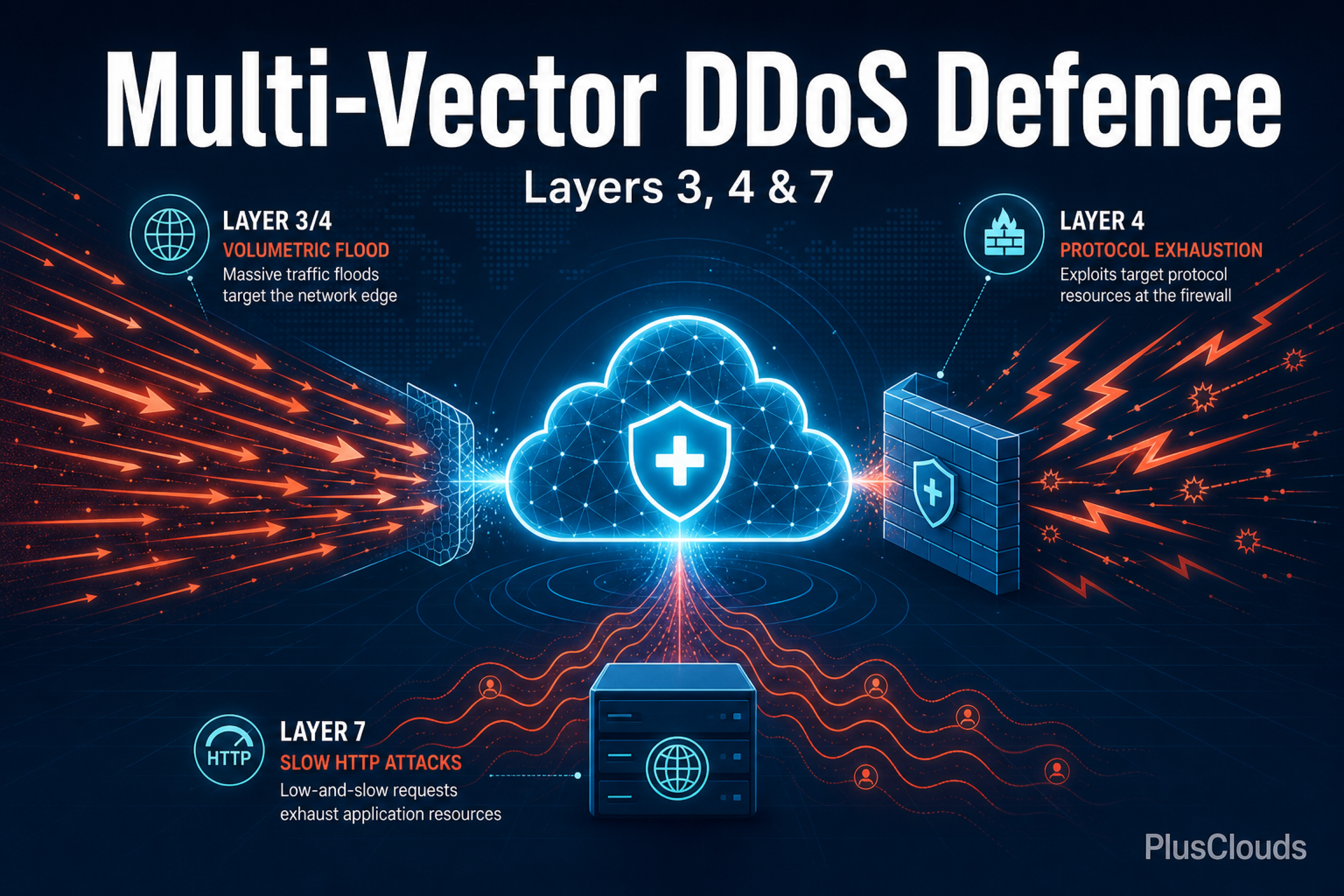
Firewalls form the first line of defense against external threats. They monitor and control incoming and outgoing network traffic based on defined security rules, filtering malicious activities and preventing unauthorized access. Equally important, Intrusion Detection Systems (IDS) are systems that identify potential security breaches and notify administrators.
IDS continuously analyze network traffic to detect abnormal or suspicious activities, facilitating a rapid response. These technologies create a robust protection framework to enhance your server's security. Consider the following strategies:
Firewall Configuration: Regularly update your security firewall settings and establish access control lists to provide protection against new threats. Ensure that trusted IP addresses are whitelisted and that rules are updated as needed.
Utilize IDS: Activate an IDS to detect suspicious activities and establish rapid response mechanisms. IDS systems can detect deviations from normal traffic patterns, sending alerts to administrators and helping to prevent the escalation of potential breaches.
For more detailed information about firewalls, you can check out our blog.
Data Encryption
Encrypting data stored and transmitted on your server is an indispensable part of ensuring security in today’s digital world. This method renders the data unreadable, even if it is intercepted by malicious actors, making it useless for unauthorized individuals. By converting plaintext data into an unreadable form, protection is provided against data leaks and breaches. Although encryption methods may vary, adhering to modern standards is critical for maintaining data integrity.
SSL/TLS Encryption: Implement Secure Socket Layer (SSL) or Transport Layer Security (TLS) protocols to secure web traffic between your server and clients. These protocols provide both authentication and data integrity.
Database Encryption: By encrypting sensitive data in your database, you ensure the protection of the data even in the event of a security breach. Even if unauthorized access occurs, guarantee that the data remains unreadable.
By implementing these security measures, you can strongly protect your servers and make them more resilient against data breaches and cyber attacks.