In order for you to have a smoother and faster cloud experience, PlusClouds has increased its integration capabilities and can now work on more technologies.
(APIs, account management, infrastructure services, authentication and user panel have been renewed.)
Sales•1 min read•37 words
PlusClouds has been renewed!
Sena Sonat
PlusClouds Author
Cloud & SaaS
Size
LeadOcean
Sales team chasing the wrong leads?
1.8B+ companies — search always free
Find My Leads →No credit card · Cancel anytime
Readers also read
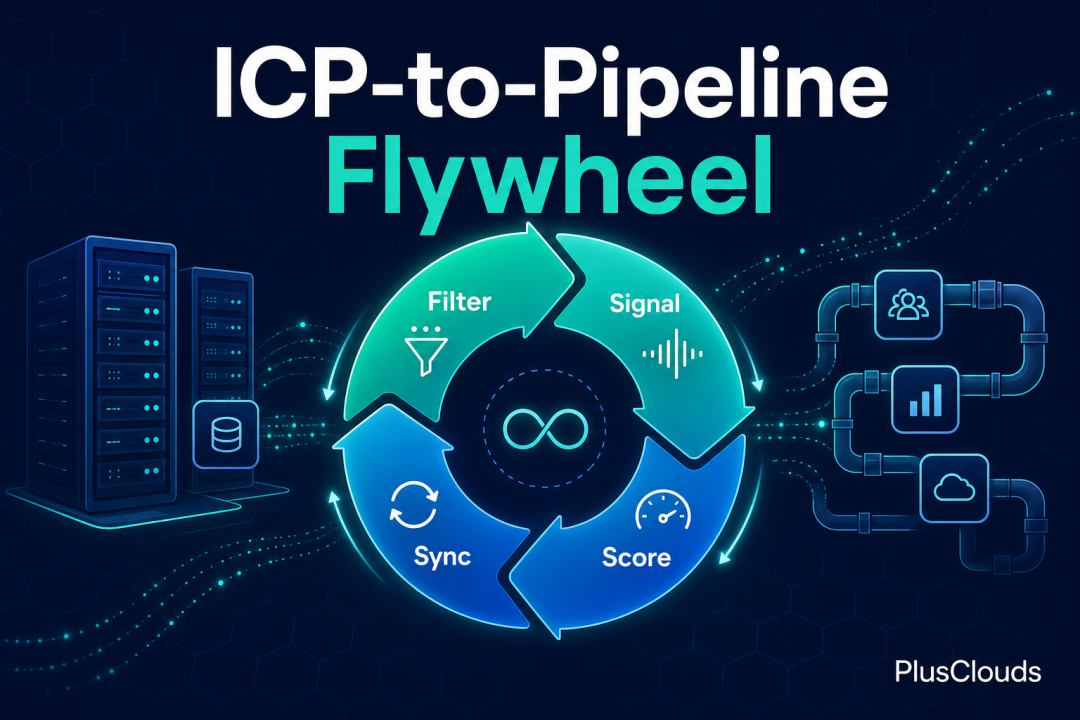
The ICP-to-Pipeline Flywheel: How to Use Firmographic Filters, Buying Signals, and AI Matching to Fill Your CRM With Accounts That Are Ready to Buy Now
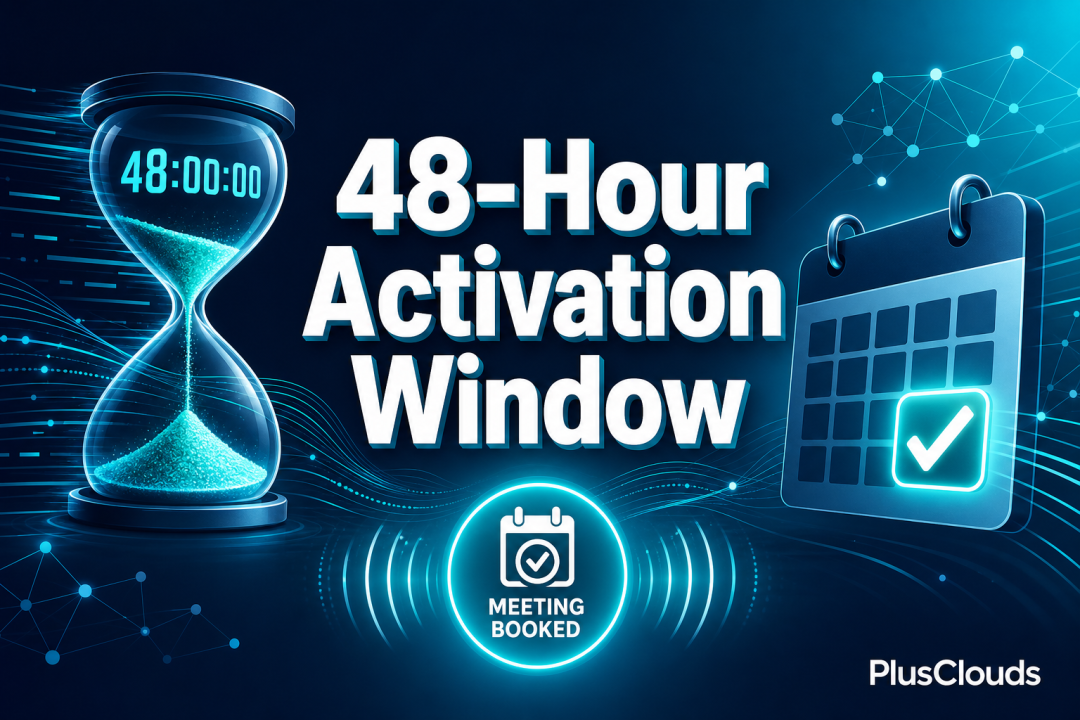
The 48-Hour Activation Window: How to Turn a Buying Signal into a Booked Meeting Before Your Competitor Even Sees It
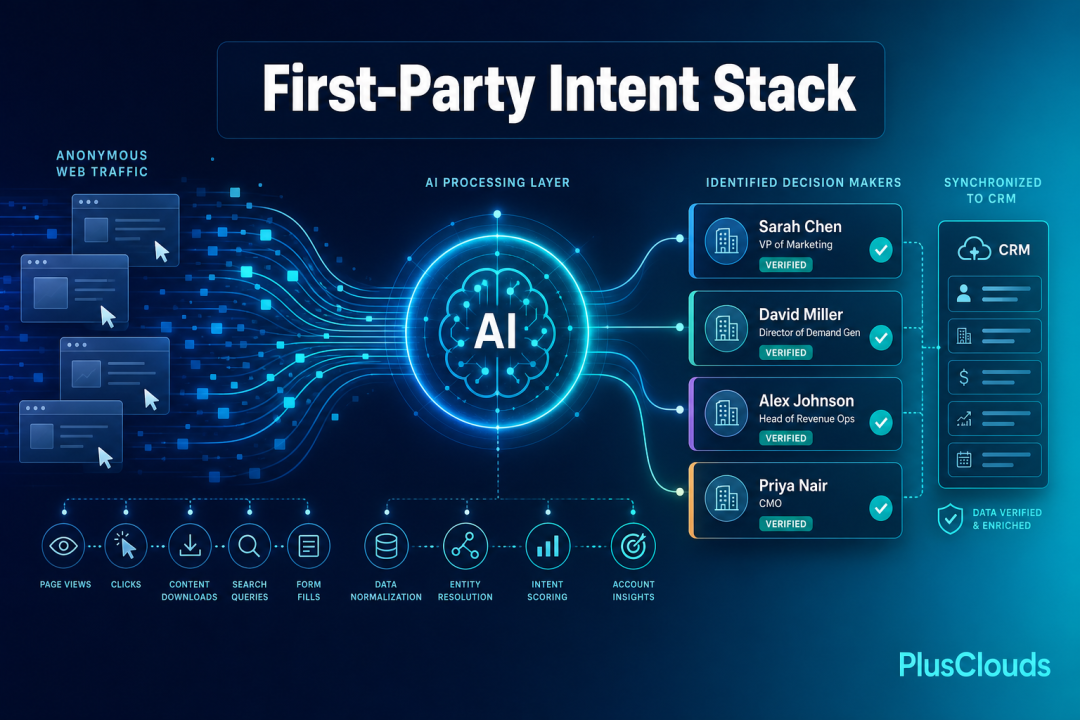
How to Build a First-Party Intent Stack That Feeds LeadOcean: From Website Visitor to Verified Decision-Maker in One Workflow
Frequently Asked Questions
How has PlusClouds renewal improved integration capabilities?
PlusClouds has increased its integration capabilities and can now work on more technologies. The APIs, account management, infrastructure services, authentication and user panel have been renewed to support this.
Which parts of PlusClouds were renewed during the update?
The APIs, account management, infrastructure services, authentication and the user panel have been renewed. These components were updated to enable increased integration capabilities and a smoother cloud experience.
Will the renewal make the cloud experience smoother and faster?
Yes, the renewal is designed to provide a smoother and faster cloud experience. It achieves this by increasing integration capabilities and renewing key components.
What new technologies can PlusClouds work with after the renewal?
The post states PlusClouds can work on more technologies due to increased integration capabilities. Specific technologies are not listed.
Are APIs and the user panel included in the renewal?
Yes, APIs and the user panel have been renewed. The post also notes renewals to account management, infrastructure services, and authentication.
Has authentication been renewed as part of the PlusClouds update?
Yes, authentication has been renewed as part of the update. This renewal is intended to support a smoother and faster cloud experience.
What is the overall goal of the PlusClouds renewal for users?
The goal is to provide a smoother and faster cloud experience by increasing integration capabilities and renewing key components. This helps users work with more technologies.
Related Reading
Posts tagged with:
Sales
The ICP-to-Pipeline Flywheel: How to Use Firmographic Filters, Buying Signals, and AI Matching to Fill Your CRM With Accounts That Are Ready to Buy Now
Most B2B ideal customer profile (ICP) definitions never make it into the CRM tools sales reps actually use. This guide shows how to translate ICP attributes into compound firmographic filters, layer real-time buying signals on top, score every matching account with an AI match engine, and sync ranked records into HubSpot or Salesforce automatically using LeadOcean and Eaglet by PlusClouds.
Sales
The 48-Hour Activation Window: How to Turn a Buying Signal into a Booked Meeting Before Your Competitor Even Sees It
B2B buying signals decay fast, and most sales teams lose the advantage by waiting days to act. This guide breaks down how to build a 48-hour activation workflow using LeadOcean and Eaglet to turn raw intent signals into personalised, booked meetings before competitors even open their CRM.
Sales
How to Build a First-Party Intent Stack That Feeds LeadOcean: From Website Visitor to Verified Decision-Maker in One Workflow
Most B2B demand-generation teams ignore the buying signals already embedded in their own website, content, and product analytics. This guide explains how to build a first-party intent stack that resolves anonymous visitor traffic into verified decision-maker contacts, applies composite intent scoring, and routes high-intent accounts into HubSpot or Salesforce automatically using LeadOcean and Eaglet by PlusClouds.
Sales
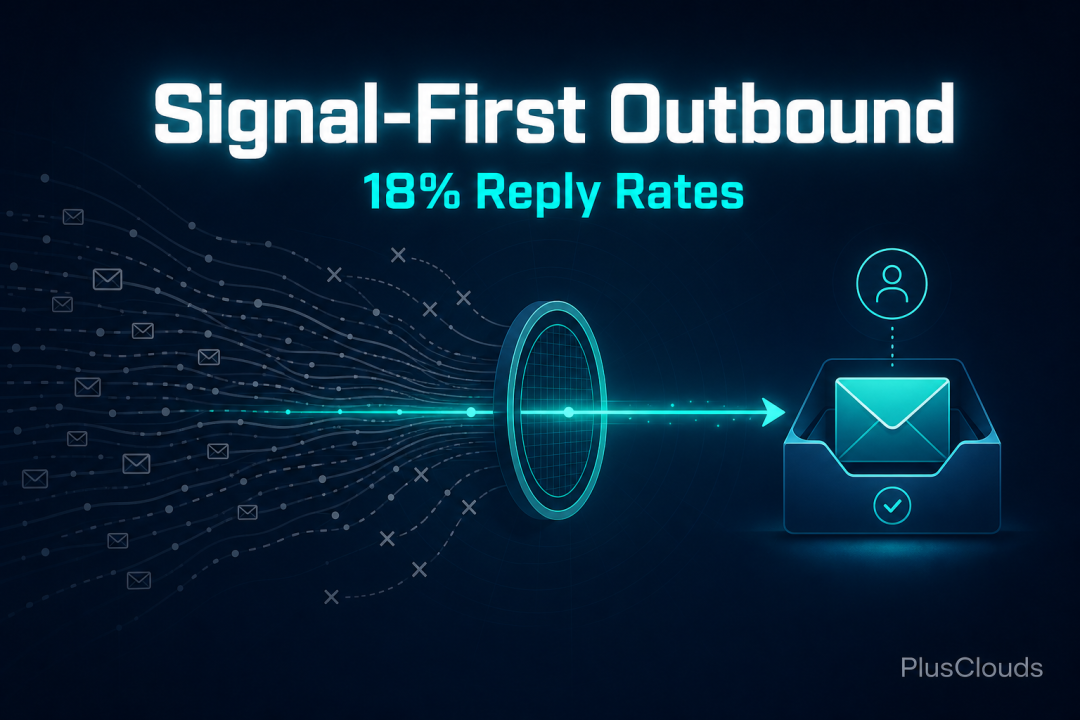
Signal-First Outbound: How to Build a Personalized-at-Scale Prospecting System That Gets 18 % Reply Rates
B2B inboxes in 2026 are overwhelmed with generic cold email, pushing market-wide reply rates below 2%. This guide explains how to build a signal-first, personalized-at-scale outbound system that consistently achieves 18% reply rates by triggering outreach on real buying events and using AI-powered enrichment tools like LeadOcean and Eaglet.
More from the blog
All posts
Software Development
What Is the Java Runtime Environment (JRE)? A Plain-English Guide
Sales
Generating Affiliate Income from Instagram and TikTok in 2026
H
Artificial Intelligence
How Much Energy Do Artificial Intelligence Models Consume? What Is the Jevons Paradox?

Software Development