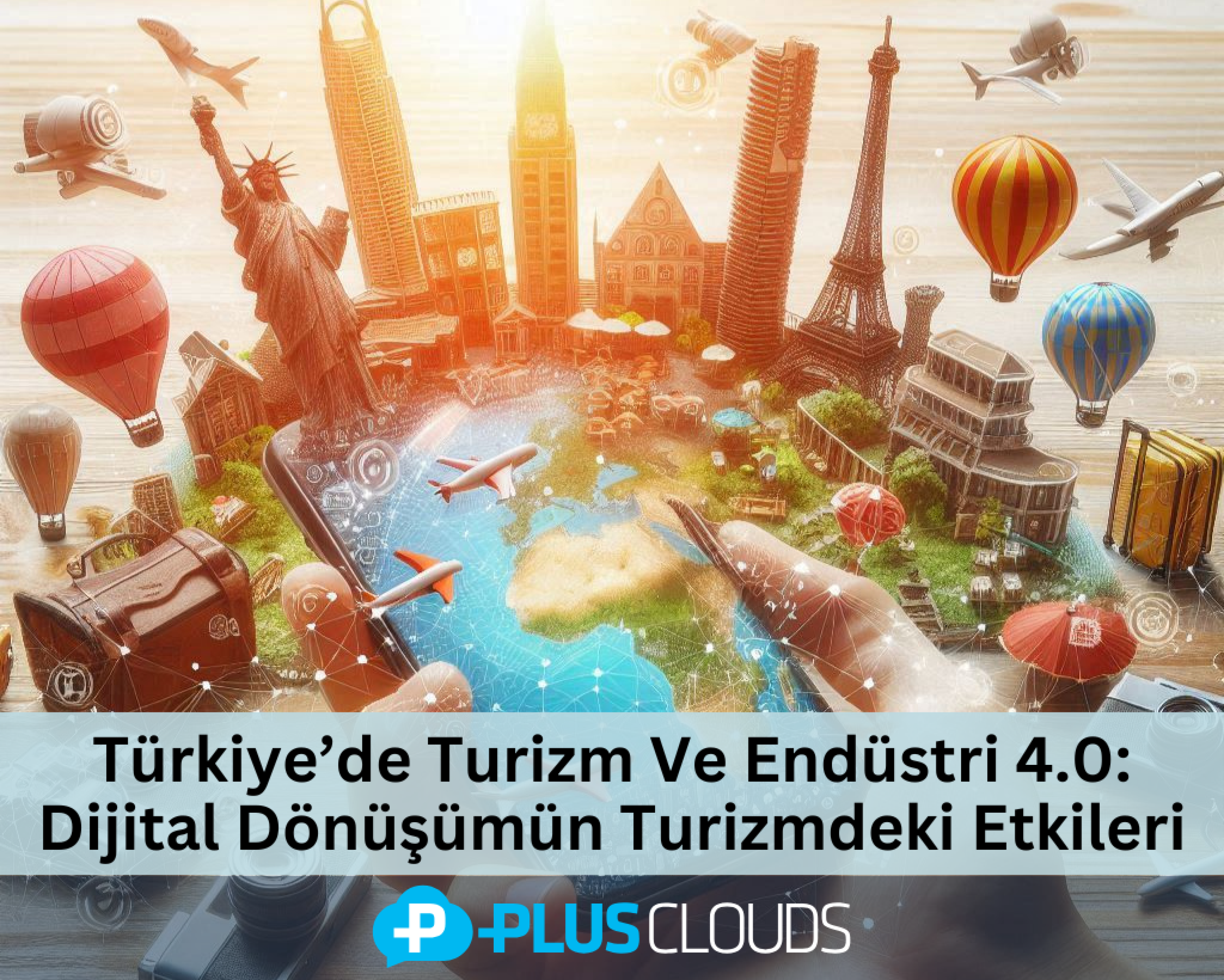
تُعتبر السياحة واحدة من أقوى القطاعات الاقتصادية في تركيا، حيث تستقبل ملايين السياح كل عام وتوفر تدفقًا كبيرًا للعملات الأجنبية إلى البلاد. ومع ذلك، ومع تسارع الرقمنة في العالم، يتأثر قطاع السياحة أيضًا بهذا التحول. لقد أحدثت الثورة الصناعية الرابعة، المعروفة أيضًا باسم الصناعة 4.0، تغييرات كبيرة ليس فقط في قطاعات الإنتاج ولكن أيضًا في قطاعات الخدمات. كيف يتأثر قطاع السياحة في تركيا بهذا التحول الرقمي، وما المتوقع في المستقبل؟ من خلال البحث عن إجابات لهذه الأسئلة، دعونا نستعرض تأثيرات الرقمنة على السياحة.
إذا كنت ترغب في إلقاء نظرة تفصيلية على تطبيقات الرقمنة مثل موظفي الاستقبال الروبوتيين، والنُدُل، والواقع الافتراضي في قطاع السياحة، يمكنك قراءة مقالنا حول هذا الموضوع.
الصناعة 4.0 والسياحة: بداية عصر جديد
تُعتبر الصناعة 4.0 نقطة تحول في دمج التكنولوجيا في حياة الإنسان. يتم دمج الابتكارات مثل الأنظمة الروبوتية، الذكاء الاصطناعي، إنترنت الأشياء (IoT)، الواقع الافتراضي (VR)، الواقع المعزز (AR)، وتحليلات البيانات الكبيرة في كل مجال من مجالات السياحة. مع هذه التقنيات، يمكن تخصيص تجارب السفر للسياح، ويمكن جعل الخدمات أكثر كفاءة، ويمكن دعم الاستدامة البيئية بهذه الطريقة.
تطبيقات الصناعة 4.0 في السياحة فعالة في كل مجال، من الترويج للوجهات إلى عمليات الحجز، ومن تجارب الزوار إلى سياسات الاستدامة. يمكن للثروات التاريخية والجمال الطبيعي لتركيا أن تصل إلى جمهور أوسع مع هذه التقنيات وتقدم تجارب لا تُنسى للسياح.
السياحة الذكية: السفر من الجيل الجديد في تركيا
الفنادق الذكية
مفهوم الفنادق الذكية ينتشر بسرعة في وجهات السياحة في تركيا. تقدم الفنادق الفاخرة في المراكز الشهيرة مثل أنطاليا، بودروم، وكابادوكيا تطبيقات مبتكرة مثل إدارة الطاقة المعتمدة على إنترنت الأشياء، خدمات الكونسيرج الرقمي، وخدمات الضيوف المدعومة بالذكاء الاصطناعي. في هذه الفنادق، يمكن للضيوف التحكم في غرفهم عبر تطبيق جوال وتخصيص كل التفاصيل من إعدادات درجة الحرارة إلى الإضاءة.
تجربة سفر مخصصة بالذكاء الاصطناعي
يقوم الذكاء الاصطناعي بتحليل تفضيلات السياح ويقدم توصيات مخصصة. على سبيل المثال، يمكن للسائح الذي يخطط لقضاء عطلة في أنطاليا الحصول على معلومات حول المطاعم، الأحداث، ومسارات السفر المناسبة لاهتماماته من خلال خوارزميات الذكاء الاصطناعي. هذا يسمح للسياح باستخدام وقتهم بشكل أكثر كفاءة.
تجربة الوجهة بالواقع الافتراضي والمعزز
الترويج للوجهة بالواقع الافتراضي
يتيح الواقع الافتراضي للسياح استكشاف الأماكن التي يفكرون في زيارتها مسبقًا. تروج تركيا لوجهات مثل مدينة أفسس القديمة، مداخن الجنيات في كابادوكيا، وترافرتينات باموكالي من خلال جولات الواقع الافتراضي. تسهل هذه التقنية بشكل خاص عملية اتخاذ القرار للسياح الدوليين.
الابتكار في المواقع التاريخية بالواقع المعزز
يوفر الواقع المعزز للزوار معلومات أكثر ثراءً في المواقع التاريخية. على سبيل المثال، في آيا صوفيا أو قصر توبكابي في إسطنبول، يمكن للسياح فحص نماذج ثلاثية الأبعاد للقطع الأثرية التاريخية والوصول إلى معلومات مفصلة من خلال تطبيقات الواقع المعزز. تزيد هذه التطبيقات من اهتمام الزوار بالموقع.
النقل الذكي في السياحة
يشهد النقل في السياحة تحولًا كبيرًا بتأثير تقنيات الصناعة 4.0. توفر أنظمة النقل الذكية في المدن الكبرى في تركيا راحة كبيرة للسياح.
التطبيقات الجوالة: يمكن للتطبيقات الجوالة المطورة لأنظمة النقل العام أن تظهر للسياح الطرق والأوقات الأكثر ملاءمة.
المركبات الذاتية القيادة: يمكن لاستخدام المركبات الذاتية القيادة في النقل في المناطق السياحية أن يقدم حلاً للنقل يكون أكثر استدامة وراحة. على سبيل المثال، يتم اختبار الحافلات الصغيرة الذاتية القيادة في كابادوكيا.
السياحة المستدامة والرقمنة
تلعب الرقمنة دورًا مهمًا في تقليل الأثر البيئي للسياحة. تستخدم تركيا التقنيات الرقمية لدعم سياسات السياحة المستدامة.
إدارة الطاقة الذكية: تقوم الفنادق الذكية بتحسين استهلاك الطاقة، مما يقلل من انبعاثات الكربون.
الشفافية مع البلوكشين: يمكن لتقنية البلوكشين تعزيز شفافية سلسلة التوريد في قطاع السياحة وتعزيز استخدام المنتجات المستدامة. تمكين المجتمعات المحلية: يمكن للمنصات الرقمية تمكين السكان المحليين من المشاركة بشكل أكبر في الاقتصاد السياحي. يمكن للمرشدين المحليين والحرفيين التواصل مباشرة مع السياح لزيادة أرباحهم.
استراتيجية تركيا في التحول الرقمي
تتخذ تركيا خطوات مختلفة لتسريع التحول الرقمي في قطاع السياحة. التعليم والموارد البشرية: يتم تنظيم برامج تدريبية مختلفة لتعزيز المهارات الرقمية للعاملين في السياحة.
الاستثمارات: يتم استثمار المزيد في مجالات مثل مشاريع الفنادق الذكية، منصات الحجز الرقمية، وتقنيات الاستدامة.
الترويج والتسويق: تهدف تركيا إلى الوصول إلى جمهور سياحي أوسع من خلال زيادة الأنشطة الترويجية على المنصات الرقمية.
الخاتمة
تجلب الصناعة 4.0 فرصًا جديدة وتحديات للسياحة التركية. تعمل الرقمنة على تحسين تجربة السائحين مع زيادة الكفاءة في القطاع ودعم الاستدامة البيئية. من خلال الجمع بين مواردها التاريخية والطبيعية الغنية والتقنيات الرقمية، يمكن لتركيا تحقيق مكانة رائدة في قطاع السياحة العالمي. في هذه العملية، من المهم تقييم الفرص التي يجلبها التحول الرقمي والاستثمار في التقنيات الجديدة.
لهذا السبب بالتحديد، إذا كنت في قطاع السياحة أو تخطط لدخوله، تحتاج إلى اتخاذ القرارات الصحيحة لتجنب التأخر والفشل في هذه العملية الرقمية. خبراء PlusClouds دائمًا بجانبك لتقديم المعلومات حول الخيارات الأكثر ذكاءً وفعالية من حيث التكلفة، للرقمنة وإدارة العمليات! يمكنك تحديد موعد في أي وقت تريده.