- RAM Neden Her Zamankinden Daha Önemli
- AI İş Yükleri vs Geleneksel Bilgisayarlar
- Büyük Dil Modellerinin Neden Olduğu Bellek Patlaması
- Eğitim vs Çıkarım: İki Farklı RAM Krizi
- Moore Yasası Neden Artık Bizi Kurtarmıyor?
- Küresel RAM Arz Kısıtlamaları
- Bulut Sağlayıcıları ve Bellek Yarışı
- Bellek Kısıtlı Bir AI Çağında Bulut Altyapı Sağlayıcılarının Rolü
- Ekonomik ve Çevresel Etki
- RAM Kıtlığına Potansiyel Çözümler
- 1. Model Optimizasyonu
- 2. Bellek Hiyerarşisi Yeniliği
- 3. Yazılım Seviyesi Verimliliği
- 4. Uç ve Uzmanlaşmış AI
- Bunun AI'nın Geleceği İçin Anlamı
- Sonuç: Bellek Kısıtlı Bir Dünya
“Dünya RAM'den tükeniyor”, bu, viral TikTok videolarının arkasındaki iddia ve kulağa tıklama tuzağı gibi gelse de, rahatsız edici gerçek şu ki, AI, küresel bellek altyapısını çoğu insanın fark ettiğinden daha fazla sınırlarına yaklaştırıyor. Yapay Zeka (AI) artık geleceğe ait bir kavram değil, günümüzün altyapı zorluğudur. Büyük dil modelleri (LLM'ler), üretken AI sistemleri, otonom ajanlar ve gerçek zamanlı analitik platformlar benzeri görülmemiş bir hızda ölçeklenirken, bir kritik donanım bileşeni dijital çağın darboğazı haline geliyor: RAM (Rastgele Erişim Belleği).
Giderek artan sayıda uzman kışkırtıcı bir soru soruyor:
AI devrimini desteklemek için dünyada yeterli RAM olacak mı?
Bu makale, AI'nın neden patlayıcı bir bellek talebi yarattığını, bunun küresel bir RAM kıtlığına nasıl yol açabileceğini, bulut sağlayıcıları, işletmeler ve tüketiciler için ne anlama geldiğini ve sektörün nasıl uyum sağlayabileceğini araştırıyor.
RAM Neden Her Zamankinden Daha Önemli
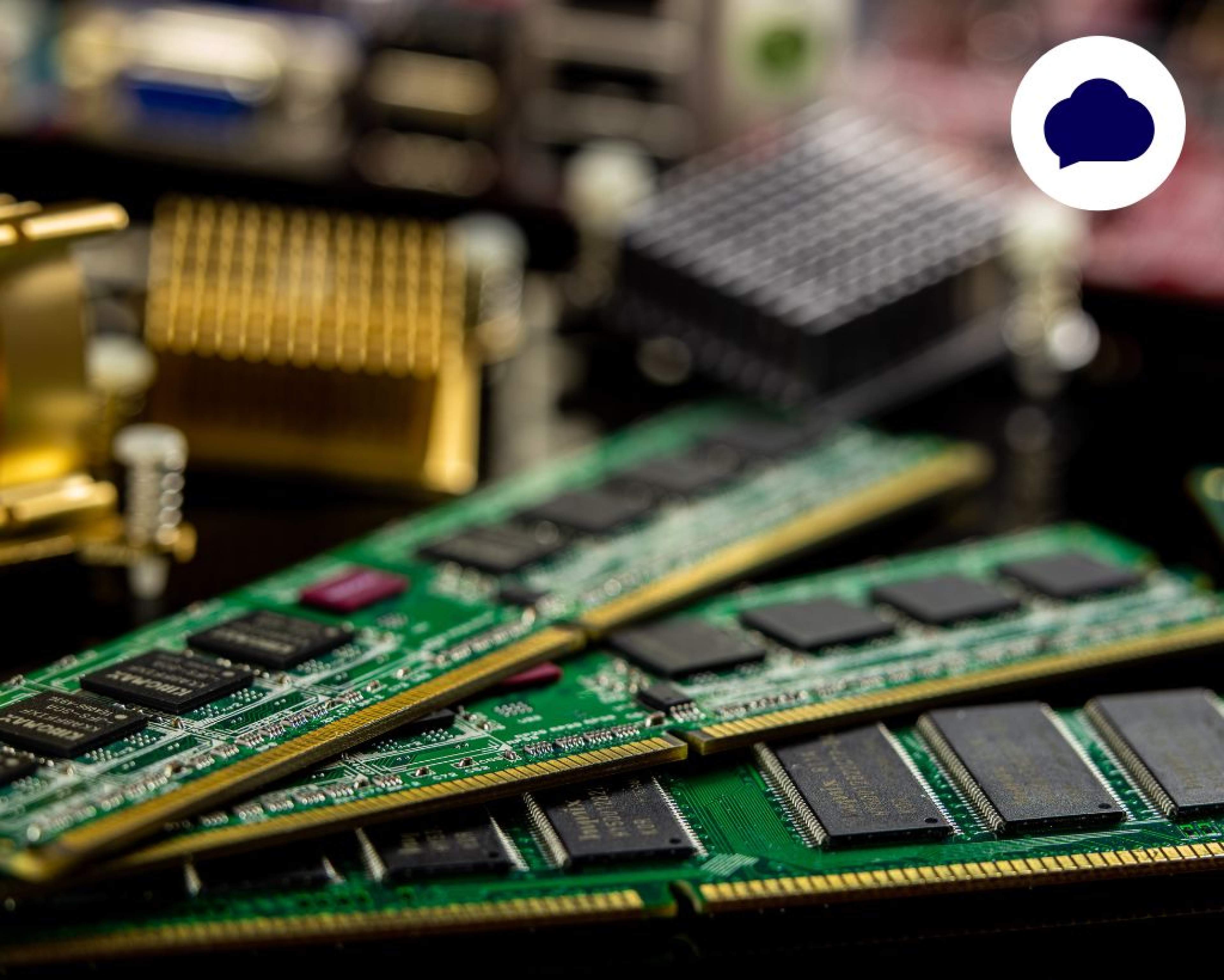
RAM, bir bilgisayarın çalışma belleğidir. Depolamadan (SSD veya HDD) farklı olarak, RAM belirler:
- Aynı anda ne kadar veri işlenebilir
- Modellerin ne kadar hızlı yanıt verebileceği
- Uygulamaların gerçek zamanlı olarak ölçeklenip ölçeklenemeyeceği
On yıllardır, CPU hızı ana performans ölçütüydü. Bugün, özellikle AI sistemlerinde, bellek kapasitesi ve bant genişliği genellikle ham işlem gücünden daha kritik hale gelmiştir.
AI'da, yeterli RAM'iniz yoksa, modeliniz basitçe çalışamaz.

AI İş Yükleri vs Geleneksel Bilgisayarlar
Geleneksel uygulamalar:
- Web sunucuları
- Veritabanları
- Ofis yazılımları
- ERP sistemleri
Bu iş yükleri:
- Nispeten küçük veri parçalarını işler
- Disk I/O'ya dayanır
- Gecikmeye tolerans gösterebilir
Buna karşılık AI iş yükleri:
- Tüm modelleri belleğe yükler
- Büyük paralellik gerektirir
- Sürekli çalışır
- Son derece bellek açtır
Anahtar Fark:
Geleneksel yazılım CPU ile ölçeklenir. AI RAM ile ölçeklenir.
Büyük Dil Modellerinin Neden Olduğu Bellek Patlaması
Modern AI modellerine bakalım:
| Model | Parametreler | Gerekli RAM (Çıkarım) |
|---|---|---|
| GPT-3 | 175 milyar | ~350–700 GB |
| GPT-4 sınıfı modeller | Trilyonlar (tah.) | Birkaç TB |
| Açık kaynak LLM'ler (70B) | 70 milyar | 140–280 GB |
Bu, her bir örnek için.
Şimdi bunu çarpın:
- Binlerce eşzamanlı kullanıcı
- Yedeklilik gereksinimleri
- Yüksek erişilebilirlik kümeleri
- Uç dağıtımlar
Birdenbire, hizmet başına terabaytlarca RAM normal hale gelir.
Eğitim vs Çıkarım: İki Farklı RAM Krizi
AI Eğitimi
Modelleri eğitmek gerektirir:
- Büyük GPU kümeleri
- Son derece yüksek bant genişliğine sahip bellek (HBM)
- Senkronize bellek erişimi
Tek bir eğitim çalışması tüketebilir:
- Zamanla petabaytlarca bellek
- On binlerce GPU
AI Çıkarımı
Çıkarım (modelleri kullanıcılara sunma) farklı bir sorun yaratır:
- Kalıcı bellek kullanımı
- Her zaman açık modeller
- Yatay ölçekleme
Bu, geçici artışlar değil, kalıcı RAM işgali ile sonuçlanır.
Moore Yasası Neden Artık Bizi Kurtarmıyor?
Moore Yasası, transistör yoğunluğunda üstel büyümeyi öngörüyordu. Ancak:
- RAM yoğunluğu büyümesi yavaşlıyor
- Bellek gecikmesi iyileştirmeleri minimal
- GB başına güç tüketimi artıyor
- Üretim karmaşıklığı artıyor
Bu arada, AI model boyutu donanım iyileştirmelerinden daha hızlı büyüyor. AI talebi üstel. RAM arzı lineer. Bu uyumsuzluk, yaklaşan kıtlığın özüdür.
Küresel RAM Arz Kısıtlamaları
Sınırlı Üreticiler
Küresel RAM pazarı şu firmalar tarafından domine ediliyor:
- Samsung
- SK Hynix
- Micron
Bu durum yaratıyor:
- Tedarik zinciri kırılganlığı
- Fiyat dalgalanması
- Jeopolitik risk
Rekabetçi Talep
RAM şu alanlarda gereklidir:
- Akıllı telefonlar
- PC'ler
- Sunucular
- Otomotiv sistemleri
- IoT cihazları
- AI hızlandırıcıları
AI bu talepleri değiştirmez. Onlara eklenir.
Bulut Sağlayıcıları ve Bellek Yarışı
Büyük bulut sağlayıcıları zaten tepki veriyor:
- Bellek optimize edilmiş örnekler (1–24 TB RAM)
- Özel silikon
- Dikey entegrasyon
- Özel bellek mimarileri
Ancak, hiper ölçekleyiciler bile sınırlara sahip:
- Veri merkezi güç kısıtlamaları
- Soğutma zorlukları
- GB başına artan maliyetler
Daha küçük şirketler ve girişimler, yüksek bellek altyapısından giderek daha fazla fiyat dışı kalıyor.
Bellek Kısıtlı Bir AI Çağında Bulut Altyapı Sağlayıcılarının Rolü
AI iş yükleri nedeniyle küresel RAM talebi hızlanırken, sağlam, esnek bulut altyapısının önemi her zamankinden daha kritik hale geliyor. Hiçbir sağlayıcı bellek üretiminin fiziksel sınırlamalarını ortadan kaldıramazken, altyapı platformları belleğin ne kadar verimli bir şekilde tahsis edildiği, ölçeklendiği ve kullanıldığı konusunda belirleyici bir rol oynar.
PlusClouds tam olarak bu kesişimde faaliyet gösterir. Kendini tek amaçlı bir AI platformu olarak konumlandırmak yerine, PlusClouds, modern AI iş yüklerini daha verimli bir şekilde çalıştırmayı sağlayan güvenilir, ölçeklenebilir bir bulut altyapı temeli sunar. RAM'in kıt ve pahalı olduğu bir dünyada, mimari kararlar ham donanım kapasitesi kadar önemlidir. Daha derin kontrol gerektiren ekipler için PlusClouds, bellek, hesaplama ve kaynak profillerinin belirli iş yükü özelliklerine göre uyarlanmasına olanak tanıyan ayarlanabilir sunucu yapılandırmaları da sunar.
Şu ortamları destekleyerek:
Bellek verimli iş yükü dağıtımı
Gereksiz bellek çoğaltması olmadan yüksek erişilebilirlik mimarileri
AI çıkarımı ve veri yoğun uygulamalar için esnek ölçekleme
PlusClouds, ekiplerin ne kadar bellek tüketildiği değil, belleğin nasıl kullanıldığına odaklanmasına yardımcı olur. Bu yaklaşım, AI odaklı sistemlerin deneysel projelerden uzun süreli, üretim sınıfı hizmetlere geçiş yapmasıyla giderek daha değerli hale gelir ve her gigabayt RAM'in ölçülebilir bir maliyeti vardır.
AI ekosistemi, hesaplama bolluğu yerine bellek kısıtlamalarıyla tanımlanan bir geleceğe doğru ilerlerken, verimliliği, şeffaflığı ve mimari özgürlüğü önceliklendiren altyapı sağlayıcıları, önemli ortaklar olacaktır. Bu zorlukları daha derinlemesine keşfetmek ve bu gibi karmaşık altyapı sorularına düşünceli yanıtlar almak istiyorsanız, topluluğumuza katılın ve sohbete dahil olun.

Ekonomik ve Çevresel Etki
Artan Maliyetler
- Kıtlık dönemlerinde RAM fiyatları artar
- AI hizmetleri daha pahalı hale gelir
- Küçük oyuncular için yenilik yavaşlar
Enerji Tüketimi
RAM, boşta bile güç tüketir:
- Her zaman açık çıkarım modelleri
- Kalıcı bellek ayak izleri
- Soğutma yükü
AI'nın çevresel maliyeti giderek bir bellek sorunu, değil bir hesaplama sorunu haline geliyor.
RAM Kıtlığına Potansiyel Çözümler
1. Model Optimizasyonu
- Kuantizasyon
- Budama
- Seyrek mimariler
- Uzman karışımı (MoE)
2. Bellek Hiyerarşisi Yeniliği
- CXL (Compute Express Link)
- Ayrışık bellek
- Birleşik CPU-GPU bellek havuzları
3. Yazılım Seviyesi Verimliliği
- Daha iyi önbellekleme stratejileri
- Akış çıkarımı
- Durumsuz mimariler
4. Uç ve Uzmanlaşmış AI
- Daha küçük, görev odaklı modeller
- Cihaz üzerinde çıkarım
- Azaltılmış merkezi bellek baskısı
Bunların hiçbiri sorunu tamamen çözmez, sadece geciktirir.
Bunun AI'nın Geleceği İçin Anlamı
Bellek kısıtlı bir dünyada:
- En büyük modeller kazanır
- Sermaye yoğunlaşması artar
- AI yazılım değil, altyapı haline gelir
- Bellek verimliliği rekabet avantajı haline gelir
Gelecekteki atılımlar, daha büyük modellerden değil, daha akıllı bellek kullanımından gelebilir.
Sonuç: Bellek Kısıtlı Bir Dünya
Soru artık AI'nın küresel RAM arzını zorlayıp zorlamayacağı değil.
Soru ne kadar yakında.
Yapay Zeka, bilişimin ekonomisini temelden değiştiriyor. Modeller büyüdükçe ve daha yaygın hale geldikçe, RAM yeni petrol haline geliyor, yenilik yapabilen ve yapamayanı belirleyen kıt, stratejik bir kaynak.
AI devrimi fikirlerle sınırlı olmayacak. Bellekle sınırlı olacak.