- Arama Motoren Zijn Niet Alleen Een Lijstinstrument
- De Opkomst Dynamiek van Alternatieve Zoekmachines
- DuckDuckGo: De Motor Die Privacy in het Midden van de Zoekervaring Plaatst
- Ecosia: Een Milieuvriendelijke Identiteit Geven aan het Zoekmachineconcept
- Startpage: Een Brug Tussen Google Kwaliteit en Absolute Privacy
- Brave Search: Een Zoekervaring Die Knipoogt naar Decentralisatie
- Qwant: De Vertegenwoordiger van Europese Gegevensbeveiligingsnormen
- Swisscows: De Veilige Haven van een Gezinsvriendelijke Zoekervaring
- You.com: Het Herschrijven van het Zoekmachinedefinitie door Kunstmatige Intelligentie
- De Grote Infrastructuur Achter Zoekmachines en de Werkelijkheid van PlusClouds
- De Plaats van Zoekmachines in het SEO-ecosysteem
- Veelgestelde Vragen
- Conclusie: Hoe Zullen Zoekmachines in de Toekomst Evolueren?
De overgrote meerderheid van internetgebruikers denkt bij het horen van de term zoekmachine alleen aan Google. Echter, achter de schermen van de digitale wereld zijn er tientallen alternatieve zoekmachines die zijn ontwikkeld met verschillende ideologieën, verschillende algoritmische prioriteiten hebben en zeer verschillende gebruikerservaringen bieden. Het merendeel van deze platforms hanteert een totaal andere benadering dan Google op het gebied van privacy, gegevensbeveiliging, ethisch gebruik van kunstmatige intelligentie, milieubewustzijn en toegang tot neutrale informatie. In dit artikel behandelen we de minder bekende zoekmachines niet alleen bij naam, maar ook in hun geheel met hun technologische infrastructuren, algoritmische logica, gegevensbeleid, hun plaats in de SEO-wereld en de rollen die ze in de toekomst zullen spelen. Meer technische inhoud over zoektechnologieën, kunstmatige intelligentie en cloudinfrastructuren is te vinden op de PlusClouds Blog.
Arama Motoren Zijn Niet Alleen Een Lijstinstrument
Moderne zoekmachines zijn al lang niet meer simpelweg tools die websites rangschikken. Tegenwoordig is een zoekmachine een combinatie van algoritmen met miljarden parameters die draaien in enorme datacenters, kunstmatige intelligentiemodellen, natuurlijke taalverwerkingssystemen, visuele herkenningsinfrastructuren en gebruikersgedragsanalyse-motoren. Welke volgorde de zoekresultaten worden weergegeven, welke inhoud naar voren wordt gebracht en welke informatie naar de achtergrond wordt geduwd, wordt rechtstreeks bepaald door de beslissingen van deze systemen.
Daarom zijn zoekmachines niet alleen technologische, maar ook sociologische, economische en politieke machtscentra geworden. De absolute dominantie van Google op dit gebied is een van de belangrijkste drijvende krachten achter de opkomst van alternatieve zoekmachines in de afgelopen jaren.
De Opkomst Dynamiek van Alternatieve Zoekmachines
Er zijn verschillende fundamentele redenen achter de opkomst van alternatieve en onbekende zoekmachines. De eerste daarvan is de commercialisering van gebruikersgegevens. Zoekgeschiedenissen, locatiegegevens, apparaatgegevens en online gedrag worden nu direct geïntegreerd in advertentie-algoritmen. Deze situatie creëert een groot gevoel van dreiging, vooral voor gebruikers die waarde hechten aan hun privacy.
De tweede belangrijke reden is de commerciële beïnvloeding van zoekresultaten. Gesponsorde inhoud die voorrang krijgt boven organische resultaten schaadt de gebruikerservaring ernstig. Daarnaast hebben sommige politieke en ideologische filterdiscussies ook de interesse in alternatieve zoekmachines vergroot.
De derde reden is milieubewustzijn, ethisch technologisch gebruik en de zoektocht naar duurzame digitale infrastructuur. Vooral de jongere generatie wil niet alleen toegang tot juiste informatie, maar ook tot informatie die op de juiste manier is geproduceerd.
DuckDuckGo: De Motor Die Privacy in het Midden van de Zoekervaring Plaatst

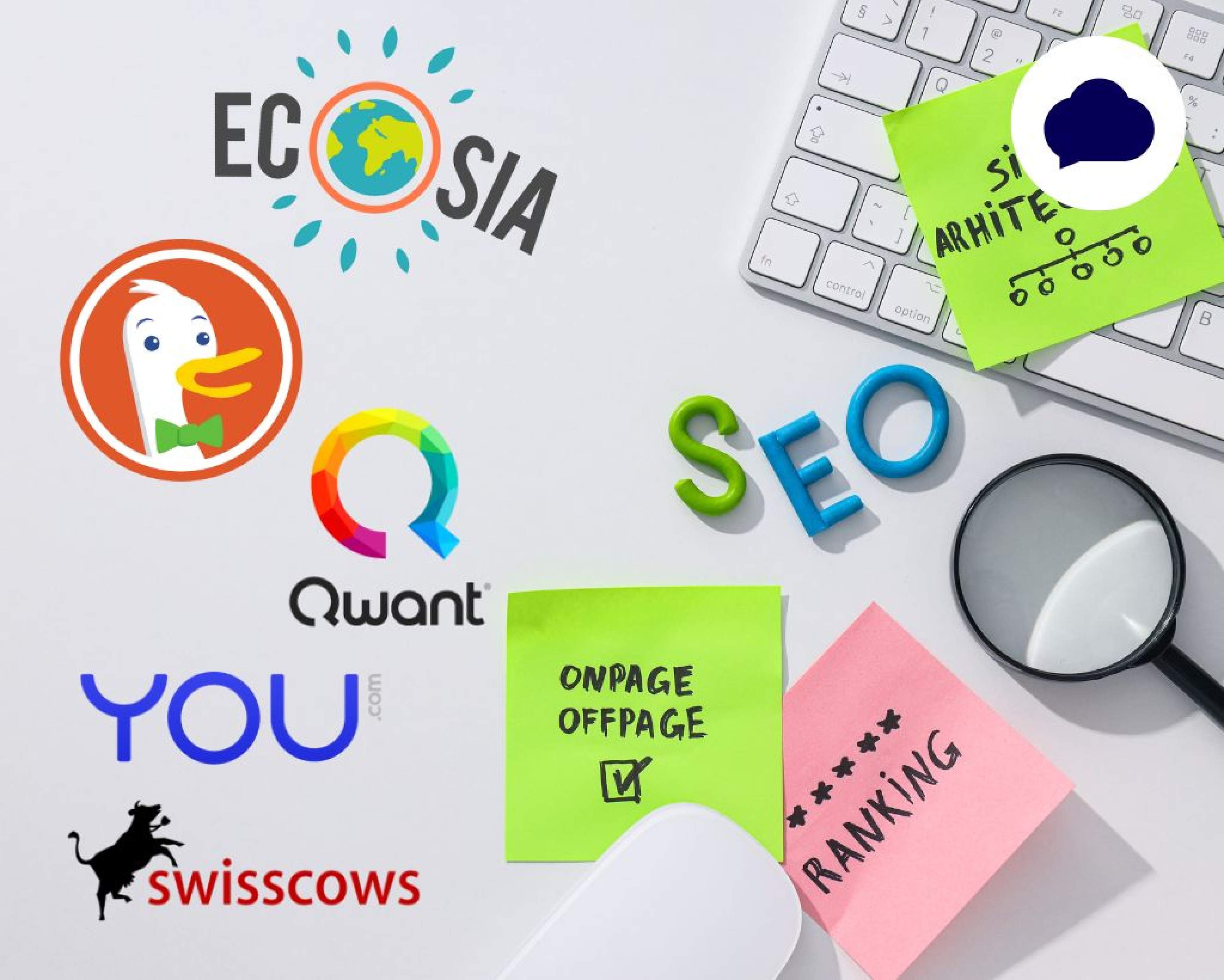
DuckDuckGo is tegenwoordig 's werelds bekendste privacygerichte zoekmachine. Het belangrijkste verschil is dat het de gebruiker niet volgt, geen profiel aanmaakt en geen persoonlijke gegevens opslaat. Terwijl Google en soortgelijke platforms gegevens over de gebruiker genereren via tientallen verschillende parameters, verzamelt DuckDuckGo geen van deze gegevens.
Technologisch gezien gebruikt DuckDuckGo naast zijn eigen ontwikkelde indexinfrastructuur ook Bing en enkele open-source gegevensbronnen. Omdat de zoekresultaten niet gepersonaliseerd zijn, ziet iedereen dezelfde resultaten voor dezelfde zoekopdracht. Deze situatie biedt een belangrijk voordeel dat algoritmische manipulatie voorkomt. Het wordt vooral veel gebruikt door cybersecurity-experts, softwareontwikkelaars en academici.
Ecosia: Een Milieuvriendelijke Identiteit Geven aan het Zoekmachineconcept

Ecosia is een van de weinige platforms die het klassieke zoekmachineconcept naar een heel ander niveau tilt door zijn inkomstenmodel direct te koppelen aan milieuprojecten. De advertentie-inkomsten die worden gegenereerd door de zoekopdrachten van gebruikers worden direct overgedragen aan herbebossingsprojecten. Tot nu toe heeft het bijgedragen aan het planten van meer dan honderd miljoen bomen.
Technisch gezien maakt Ecosia grotendeels gebruik van de Bing-infrastructuur. Hoewel de kwaliteit van de zoekresultaten dicht bij die van grote zoekmachines ligt, is de belangrijkste waardepropositie de ethische en milieuvriendelijke houding. Het wordt vooral geprefereerd door milieubewuste gebruikers, onderwijsinstellingen en non-profitorganisaties.
Startpage: Een Brug Tussen Google Kwaliteit en Absolute Privacy

Startpage is een speciale zoekmachine die de zoekresultaten van Google gebruikt, maar gebruikersgegevens niet aan Google doorgeeft. Met andere woorden, gebruikers profiteren van de indexkracht van Google-kwaliteit zonder dat hun persoonlijke gegevens worden gevolgd. In dit opzicht biedt het een ideale balans voor gebruikers die zowel privacy als resultaatkwaliteit willen behouden.
Dankzij de anonieme weergavefunctie die Startpage biedt, kunnen gebruikers hun IP-adressen volledig verborgen houden wanneer ze een website bezoeken. Deze functie is van vitaal belang, vooral voor journalisten, onderzoekers en beveiligingsexperts.
Brave Search: Een Zoekervaring Die Knipoogt naar Decentralisatie
Brave Search is een zoekmachine die is ontwikkeld binnen het ecosysteem van de Brave-browser en volledig gebruikmaakt van zijn eigen indexinfrastructuur. Het is een van de weinige alternatieven die werkt zonder afhankelijk te zijn van Bing- of Google-resultaten. Deze situatie biedt op de lange termijn een belangrijk voordeel op het gebied van algoritmische onafhankelijkheid en transparantie.
Brave Search hanteert gebruikersprivacy als basisprincipe. Advertentieweergave is minimaal en gebruikersgedrag wordt absoluut niet gevolgd. Het wordt snel omarmd door de Web3-wereld, cryptogemeenschappen en voorstanders van een gedecentraliseerd internet.
Qwant: De Vertegenwoordiger van Europese Gegevensbeveiligingsnormen
Qwant is een zoekmachine gevestigd in Frankrijk en voldoet volledig aan de gegevensbeveiligingsvoorschriften van de Europese Unie. Het volgt gebruikers niet, heeft zeer beperkte cookiebeleid en slaat geen zoekgeschiedenis op. Het wordt vooral geprefereerd als een betrouwbare alternatieve door overheidsinstellingen, universiteiten en onderwijsinstellingen.
Qwant biedt een meer thematische zoekervaring door categorieën zoals nieuws, sociale media, winkelen en muziek afzonderlijk aan te bieden. Deze structuur zorgt ervoor dat de gebruiker sneller toegang heeft tot verschillende soorten inhoud in plaats van beperkt te zijn tot één resultaatpool.
Swisscows: De Veilige Haven van een Gezinsvriendelijke Zoekervaring

Swisscows is een van de strengste zoekmachines ter wereld op het gebied van inhoudsfiltering. Geweld, drugs, pornografie en schadelijke inhoud worden automatisch gefilterd. Daarom biedt het een uiterst veilige zoekomgeving voor gezinnen, scholen en jonge gebruikers.
Al zijn servers worden in Zwitserland gehost en gebruikersgegevens worden absoluut niet opgeslagen. Deze situatie garandeert zowel naleving van de Europese gegevensbeveiligingsnormen als een hoog niveau van privacy.
You.com: Het Herschrijven van het Zoekmachinedefinitie door Kunstmatige Intelligentie

You.com is een nieuwe generatie zoekmachine op basis van kunstmatige intelligentie die de klassieke zoekervaring volledig transformeert. In plaats van alleen een lijst met links te bieden, biedt het geïntegreerde AI-tools die code kunnen schrijven, tekst kunnen samenvatten, e-mailsjablonen kunnen maken en analyses kunnen uitvoeren.
In dit opzicht wordt You.com gebruikt als productiviteitstool door een breed scala aan gebruikers, van softwareontwikkelaars tot digitale marketeers, van contentmakers tot academici.
De Grote Infrastructuur Achter Zoekmachines en de Werkelijkheid van PlusClouds
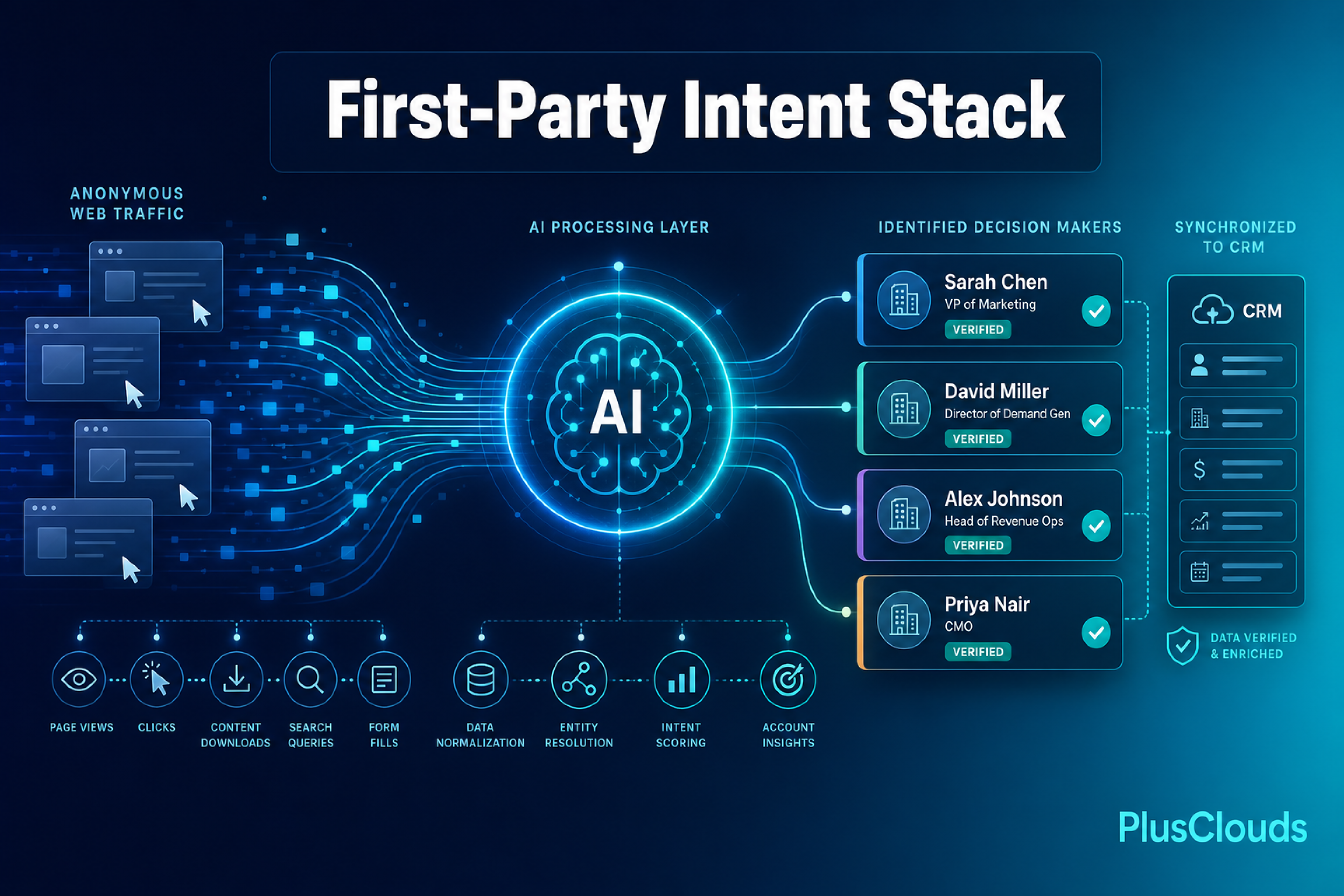
Zoekmachines bestaan niet alleen uit softwaresystemen. Het crawlen, indexeren en real-time beantwoorden van miljarden webpagina's vereist een uiterst krachtige cloudinfrastructuur. Deze infrastructuren zijn gebouwd op hogesnelheidsnetwerkverbindingen, schaalbare rekenbronnen, gedistribueerde opslagsystemen, geavanceerde beveiligingslagen en ononderbroken toegang architecturen.
PlusClouds biedt een moderne en veilige cloudinfrastructuur voor AI-projecten, big data-applicaties, websystemen met veel verkeer en zoekmachine-achtige platforms. Dankzij de krachtige oplossingen die het biedt op het gebied van netwerk, computing, opslag, beveiliging, observeerbaarheid en hoge beschikbaarheid, maakt het de soepele werking van grootschalige digitale systemen mogelijk. Klanten kunnen op de PlusClouds-infrastructuur vrij hun eigen Load Balancer-voorkeuren plaatsen en prestatie- en verkeersbeheer volledig naar hun eigen behoeften configureren.
Voor bedrijven die op zoek zijn naar hoge prestaties, beveiliging en schaalbaarheid in de digitale wereld, is PlusClouds niet alleen een cloudprovider, maar een strategische technologiepartner. Zoekmachines bestaan niet alleen uit softwaresystemen. Het crawlen, indexeren en real-time beantwoorden van miljarden webpagina's vereist een uiterst krachtige cloudinfrastructuur. Voor meer technische informatie: PlusClouds Cloud Infrastructuur

De Plaats van Zoekmachines in het SEO-ecosysteem
SEO-werkzaamheden worden al jarenlang vrijwel volledig rond Google uitgevoerd. Echter, de toename van het aantal gebruikers van alternatieve zoekmachines maakt het noodzakelijk dat SEO-strategieën zich richten op meerdere platforms. Omdat DuckDuckGo de Bing-infrastructuur gebruikt, vinden Bing SEO-technieken direct hun weerslag op dit platform. Brave Search en Qwant daarentegen hebben algoritmen die meer nadruk leggen op paginaveiligheid, inhoudsjuistheid en gebruikerservaring.
Deze situatie laat duidelijk zien dat SEO-strategieën die zich alleen op Google richten in de toekomst niet voldoende zullen zijn.
Veelgestelde Vragen
Zijn onbekende zoekmachines echt veiliger dan Google?
De meeste onbekende zoekmachines volgen gebruikers niet, waardoor ze qua gegevensbeveiliging een voordeel hebben ten opzichte van Google. Echter, het privacybeleid van elk platform moet afzonderlijk worden beoordeeld.
Kan er SEO-werk worden gedaan op alternatieve zoekmachines?
Ja. Vooral voor platforms die de Bing-infrastructuur gebruiken, vinden SEO-werkzaamheden direct hun weerslag. Brave en Qwant hechten meer belang aan sitebeveiliging en inhoudskwaliteit.
Zullen door AI ondersteunde zoekmachines de klassieke zoekmachines vervangen?
Op korte termijn lijkt het moeilijk om ze volledig te vervangen, maar het is duidelijk dat ze gebruikersgewoonten aanzienlijk veranderen en de klassieke zoekervaring in grote mate transformeren.
Plant Ecosia echt bomen?
Ja. Ze delen regelmatig transparante rapporten waarin wordt aangetoond dat het grootste deel van hun inkomsten direct naar herbebossingsprojecten gaat.
Is PlusClouds geschikt voor zoekmachine-infrastructuren?
Ja. PlusClouds biedt een uiterst geschikte infrastructuur voor zoekmachine-achtige systemen met veel verkeer dankzij hoge beschikbaarheid, krachtige netwerkinfrastructuur, schaalbare rekenbronnen en beveiligingsoplossingen.
Conclusie: Hoe Zullen Zoekmachines in de Toekomst Evolueren?
De zoekmachines van de toekomst zullen steeds verder verwijderd raken van systemen die klassieke linklijsten bieden. AI-gebaseerde samenvatting, real-time informatieproductie, visueel en spraakgestuurd zoeken, gepersonaliseerde informatiepanelen en real-time data-analyse zullen de standaarden van de komende periode worden. Tegelijkertijd zullen gedecentraliseerde zoekmachines, blockchain-gebaseerde indexeringssystemen en platforms die gebruikers controle over hun gegevens geven meer aan de orde komen. Privacy, transparante algoritmen en ethisch datagebruik worden niet langer als een luxe beschouwd, maar als een noodzaak.
Om deel uit te maken van deze transformatie, uw projecten veilig te realiseren met moderne cloudinfrastructuren en gratis te profiteren van de flexibele, veilige infrastructuuroplossingen die PlusClouds biedt, kunt u zich nu gratis aanmelden bij PlusClouds.