- فهم أزمة الذاكرة العشوائية العالمية
- من المتوقع أن تتضاعف أسعار الذاكرة العشوائية وتظل مرتفعة
- من المتوقع حدوث تأخيرات في إنتاج السيارات
- التأثير المتوقع على صناعة السيارات
- ارتفاع الأسعار عبر منتجات التكنولوجيا الاستهلاكية
- من المتوقع أن يذهب 70% من إنتاج الذاكرة العشوائية العالمية إلى مراكز البيانات
- الذكاء الاصطناعي والحوسبة السحابية يسرعان الأزمة
- مصنعي بطاقات الرسوميات يعيدون إصدار نماذج أقدم
- التأثيرات طويلة الأمد على النظام البيئي التكنولوجي العالمي
- كيفية استعداد الشركات لنقص الذاكرة العشوائية
- كيف تساعد PlusClouds الشركات في التنقل خلال أزمة الذاكرة العشوائية
- مزايا PlusClouds خلال أزمة الذاكرة العشوائية
- الأفكار النهائية: الذاكرة هي الاختناق الجديد
يدخل النظام البيئي التكنولوجي العالمي مرحلة حرجة مدفوعة بأزمة تصاعدية في إمدادات الذاكرة العشوائية (RAM). من مراكز البيانات والبنية التحتية السحابية إلى الإلكترونيات الاستهلاكية وتصنيع السيارات، تسبب نقص الذاكرة العشوائية في خلق تأثيرات متتالية عبر الصناعات.
تستكشف هذه المقالة الأحداث المتوقعة التي تسببها أزمة الذاكرة العشوائية العالمية، ولماذا تحدث، ومن سيكون الأكثر تأثراً، وكيف يمكن للشركات الاستعداد استراتيجياً لما هو قادم. للوصول إلى مقالاتنا السابقة حول أزمة الذاكرة العشوائية: هل سينفد العالم من الذاكرة العشوائية؟ كيف يخلق الذكاء الاصطناعي نقصًا عالميًا في الذاكرة
فهم أزمة الذاكرة العشوائية العالمية
الذاكرة العشوائية هي واحدة من أهم المكونات في الحوسبة الحديثة. كل هاتف ذكي، خادم، وحدة تحكم في المركبات، بطاقة رسوميات، وجهاز ذكي يعتمد عليها. ومع ذلك، فإن مجموعة من العوامل دفعت إمدادات الذاكرة العشوائية العالمية إلى اختلال شديد.
العوامل الرئيسية وراء الأزمة
- النمو الهائل في أعباء العمل للذكاء الاصطناعي ومراكز البيانات
- زيادة متطلبات الذاكرة لكل خادم
- قدرة تصنيع محدودة بين منتجي DRAM الرئيسيين
- تكاليف رأس المال العالية لمصانع التصنيع الجديدة
- الاضطرابات الجيوسياسية وسلاسل التوريد
نتيجة لذلك، يتجاوز الطلب العرض بمقياس غير مسبوق.
من المتوقع أن تتضاعف أسعار الذاكرة العشوائية وتظل مرتفعة
واحدة من النتائج الأكثر وضوحاً وفورية لأزمة الذاكرة العشوائية هي الضغط على الأسعار.
ما يمكن توقعه
- من المتوقع أن تتضاعف أسعار الذاكرة العشوائية على الأقل في فترة قصيرة
- من غير المحتمل حدوث تصحيحات في الأسعار في المدى القريب أو المتوسط
- العقود طويلة الأجل تصبح أكثر تكلفة وتقييداً
لماذا لن تنخفض الأسعار بسهولة مرة أخرى
- يتطلب تصنيع DRAM استثمارات رأسمالية ضخمة
- يستغرق توسيع الإنتاج سنوات وليس شهوراً
- الطلب من مراكز البيانات يمتص العرض الجديد فوراً
- يفضل المصنعون العملاء من الشركات ذات الهوامش الربحية الأعلى
هذا يخلق "الوضع الطبيعي الجديد" حيث تصبح الذاكرة أكثر تكلفة من ذي قبل.
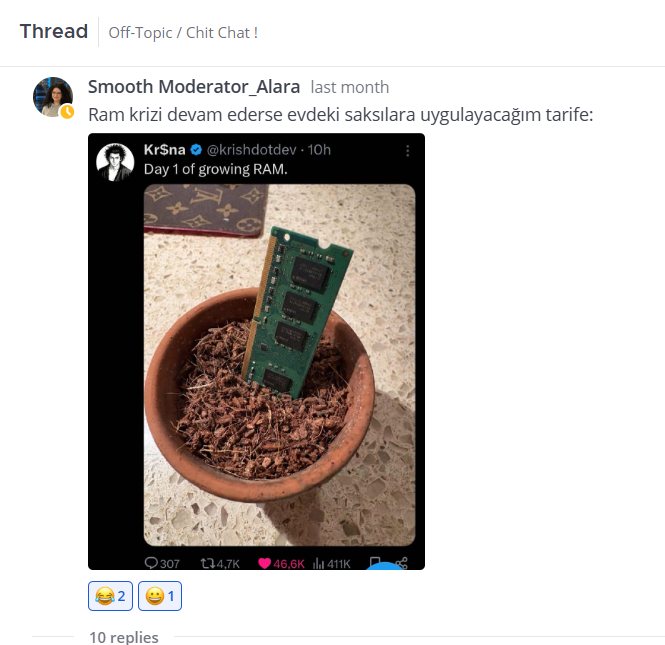
نقاشات حقيقية. خبراء حقيقيون. انضم إلى مجتمعنا واطرح أسئلتك.

من المتوقع حدوث تأخيرات في إنتاج السيارات
لم تعد المركبات الحديثة أنظمة ميكانيكية فقط، بل هي حواسيب متحركة.
لماذا تعتمد السيارات على الذاكرة العشوائية
- أنظمة مساعدة السائق المتقدمة (ADAS)
- أنظمة الترفيه واللوحات الرقمية
- وحدات القيادة الذاتية
- الاتصال بين المركبات وكل شيء (V2X)
حتى النقص الطفيف في الذاكرة العشوائية يمكن أن يوقف خطوط الإنتاج بالكامل.
التأثير المتوقع على صناعة السيارات
- تأخيرات في إنتاج نماذج المركبات الجديدة
- زيادة التكاليف لكل مركبة
- نقص في وحدات التحكم الإلكترونية (ECUs)
- أوقات تسليم أطول للمستهلكين
يتنافس صانعو السيارات الآن مباشرة مع شركات التكنولوجيا للحصول على إمدادات الذاكرة وغالباً ما يخسرون.
ارتفاع الأسعار عبر منتجات التكنولوجيا الاستهلاكية
لن تبقى أزمة الذاكرة العشوائية غير مرئية للمستهلكين.
المنتجات التي من المحتمل أن ترتفع أسعارها
- الهواتف الذكية
- أجهزة التلفاز
- أجهزة الكمبيوتر المحمولة وأجهزة الكمبيوتر المكتبية
- الأجهزة المنزلية (الثلاجات الذكية، الغسالات، إلخ)
- أجهزة الألعاب والملحقات
لماذا ترتفع الأسعار
- الذاكرة العشوائية هي مكون تكلفة أساسي
- لا يمكن للمصنعين امتصاص زيادات الأسعار بالكامل
- "التضخم في الميزات" (المزيد من الذاكرة لكل جهاز) يزيد المشكلة سوءاً
يجب أن يتوقع المستهلكون أسعار تجزئة أعلى وتكوينات أقل ملاءمة للميزانية.
من المتوقع أن يذهب 70% من إنتاج الذاكرة العشوائية العالمية إلى مراكز البيانات
ربما تكون النقطة البيانية الأكثر أهمية: من المتوقع أن يتم تخصيص 70% من جميع الذاكرة العشوائية المنتجة هذا العام لمراكز البيانات.
لماذا تهيمن مراكز البيانات على طلب الذاكرة العشوائية
- أعباء العمل في التدريب والاستدلال للذكاء الاصطناعي
- قواعد البيانات في الذاكرة
- الافتراضية وتنسيق الحاويات
- الحوسبة السحابية عالية الكثافة
- التحليلات في الوقت الفعلي ومنصات البث
يوقع العملاء من الشركات الكبيرة والضخمة اتفاقيات طويلة الأجل، مما يقفل فعلياً الصناعات الأخرى من الإمدادات.
الذكاء الاصطناعي والحوسبة السحابية يسرعان الأزمة
تعتبر أعباء العمل للذكاء الاصطناعي شرهة للذاكرة بشكل استثنائي.
أمثلة
- النماذج اللغوية الكبيرة (LLMs)
- محركات التوصية
- معالجة الصور والفيديو
- التحليلات التنبؤية
كل جيل من نماذج الذكاء الاصطناعي يتطلب المزيد من الذاكرة لكل عقدة، مما يزيد الضغط على الإمدادات العالمية ويعزز هيمنة مراكز البيانات في تخصيص الذاكرة.
مصنعي بطاقات الرسوميات يعيدون إصدار نماذج أقدم
نتيجة غير متوقعة أخرى لنقص الذاكرة العشوائية هي في سوق وحدات معالجة الرسوميات (GPU).
ما الذي يحدث
- يتم إعادة إصدار نماذج GPU الأقدم غير المباعة
- يقوم المصنعون بتعديل التكوينات لتقليل استخدام الذاكرة
- يتحول التركيز إلى تصفية المخزون بدلاً من الابتكار
لماذا هذا مهم
- قد تتباطأ إطلاقات GPU الجديدة
- قد يرى المستهلكون إصدارات "محدثة" من الأجهزة الأقدم
- ستتوقف مكاسب الأداء مقابل الدولار مؤقتاً
هذه خطوة دفاعية للتنقل خلال قيود الذاكرة دون إيقاف المبيعات تماماً.
التأثيرات طويلة الأمد على النظام البيئي التكنولوجي العالمي
أزمة الذاكرة العشوائية ليست تقلباً قصير الأمد، بل هي تحول هيكلي.
التغييرات المتوقعة على المدى الطويل
- استخدام الذاكرة بشكل أكثر كفاءة في تصميم البرمجيات
- تركيز أكبر على التحسين بدلاً من التوسع القسري
- زيادة أهمية التخطيط للبنية التحتية
- حواجز دخول أعلى للشركات الناشئة المعتمدة على الأجهزة
أصبحت كفاءة الذاكرة ميزة تنافسية.
كيفية استعداد الشركات لنقص الذاكرة العشوائية
المنظمات ذات التفكير المستقبلي تتكيف بالفعل.
الإجراءات الاستراتيجية
- تحسين التطبيقات لاستهلاك أقل للذاكرة
- تبني بنى سحابية قابلة للتوسع
- تجنب الإفراط في التزويد
- مراقبة استخدام البنية التحتية عن كثب
- تأمين شراكات البنية التحتية طويلة الأجل
المفتاح هو القيام بالمزيد باستخدام ذاكرة أقل، دون التضحية بالأداء.
كيف تساعد PlusClouds الشركات في التنقل خلال أزمة الذاكرة العشوائية
في PlusClouds، تعتبر كفاءة البنية التحتية والمرونة نقاط قوة حاسمة خاصة خلال قيود الأجهزة العالمية مثل أزمة الذاكرة العشوائية.
بينما لا تقوم PlusClouds بتصنيع الأجهزة، فإنها توفر بنية تحتية سحابية قوية تساعد المنظمات على التكيف بذكاء مع توفر الذاكرة المحدود.
مزايا PlusClouds خلال أزمة الذاكرة العشوائية
1. بنية تحتية للحوسبة محسنة
يساعد تخصيص الموارد بكفاءة العملاء على تجنب هدر الذاكرة غير الضروري مع الحفاظ على الأداء.
2. بنية قابلة للتوسع
سهولة توسيع أعباء العمل بناءً على الطلب الحقيقي، وليس على أسوأ الافتراضات، مما يقلل من استخدام الذاكرة الزائد.
3. دعم لأعباء العمل الحديثة
مثالي للتطبيقات المعبأة في حاويات، بيئات Kubernetes، والهياكل المعتمدة على الذاكرة.
4. مرونة البنية التحتية
يمكن للعملاء نشر حزم البرمجيات المفضلة لديهم، وقواعد البيانات، وأدوات التحسين دون قفل المنصة.
5. الرؤية والتحكم
توفر رؤية أفضل لاستخدام الموارد تمكن الفرق من تحديد اختناقات الذاكرة مبكراً واتخاذ إجراءات حاسمة.
في عالم تصبح فيه الذاكرة العشوائية أكثر تكلفة وندرة، لم تعد كفاءة البنية التحتية اختيارية، بل أصبحت ضرورية. توفر PlusClouds الأساس الذي تحتاجه الشركات للبقاء قوية وتنافسية. لمزيد من المعلومات، قم بزيارة موقعنا: PlusClouds
الأفكار النهائية: الذاكرة هي الاختناق الجديد
تعيد أزمة الذاكرة العشوائية العالمية تشكيل الصناعات بما يتجاوز الحوسبة التقليدية. من السيارات والإلكترونيات الاستهلاكية إلى المنصات السحابية وأنظمة الذكاء الاصطناعي، أصبح توفر الذاكرة قيدًا محددًا للتكنولوجيا الحديثة.
المنظمات التي:
- تخطط مسبقاً
- تحسن بذكاء
- تختار شركاء بنية تحتية مرنين
ستكون هي التي تزدهر في هذا البيئة الجديدة.
مع ازدياد قيمة الذاكرة العشوائية، يصبح كيفية استخدامها أكثر أهمية من مقدار ما لديك.