- What is Web Scraping?
- What is Web Scraping Used For?
- The Power of Web Scraping with LeadOcean
- What Does LeadOcean Do?
- Other Everyday Life Examples
- Is Web Scraping Ethical and Legal?
- Conclusion: Customer Search is Now Automated with Web Scraping
In the digitalizing world, accessing data has become one of the most important factors determining the competitive power of companies. However, as billions of new contents, pages, and data are produced on the internet every day, collecting this information manually is almost impossible. This is exactly where Web Scraping (Data Mining) technology comes into play.
So, what is web scraping, how does it work, and how can it turn into an advantage in the business world, especially in terms of customer acquisition? In this article, we will explain the basic concepts and also make the topic more concrete with examples from daily life.
What is Web Scraping?
Web Scraping is a technique that enables the automatic collection and structuring of data from a website. With this method, for example, product information, prices, reviews from an e-commerce site, or company contact information from a directory site can be extracted using automated tools and made usable.
Data scraping operations are usually performed through special software or scripts written in programming languages such as Python. These programs visit the specified web pages, analyze the HTML structure, and extract the targeted information.
What is Web Scraping Used For?
Web scraping is not just a technical application; when used correctly, it is a powerful tool for achieving many strategic goals such as business development, increasing sales, and customer acquisition.
The following stand out among its areas of use:
Competitor analysis
Price comparisons
Product/service trend tracking
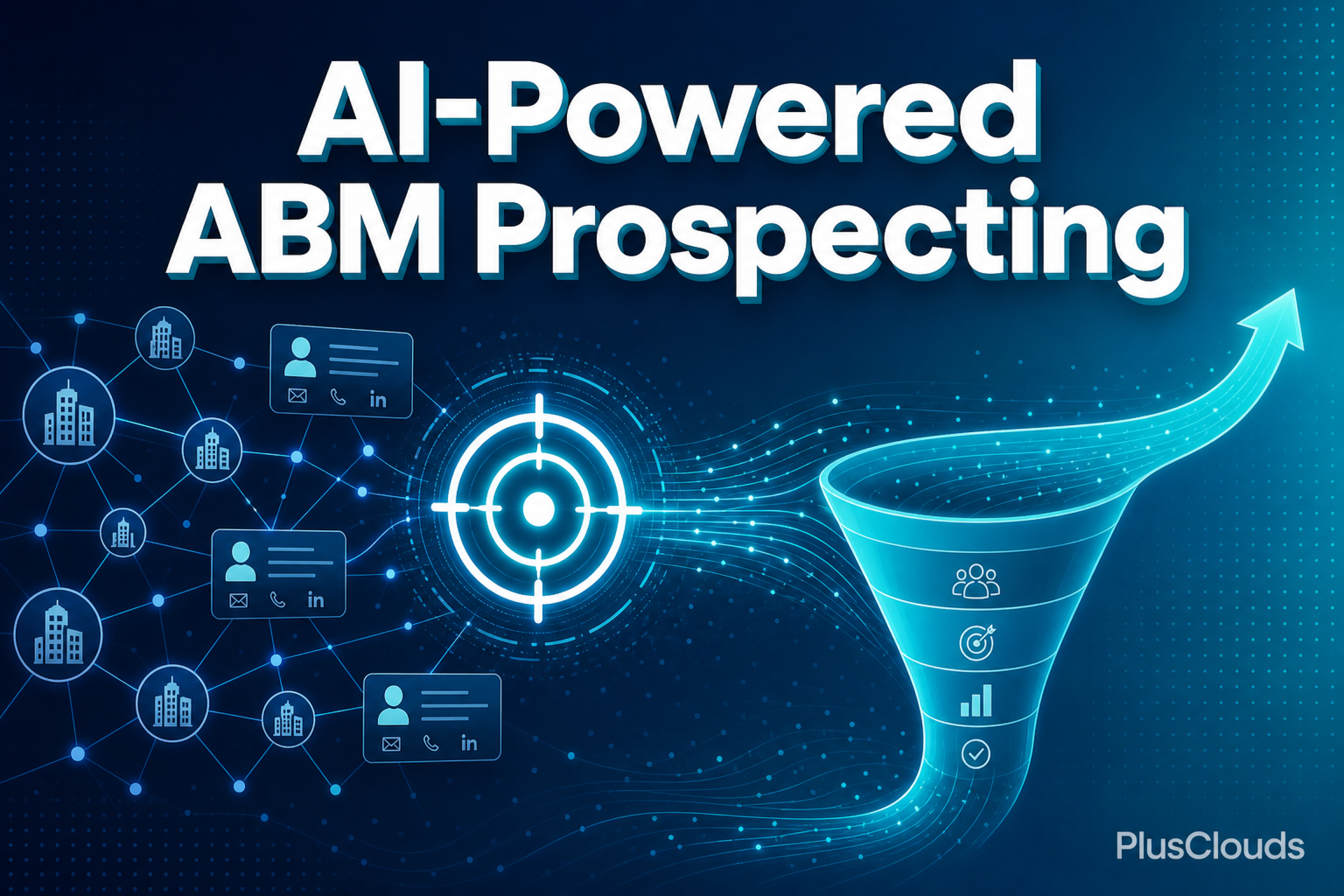
Creating potential customer (lead) lists
Market research
Social media sentiment analysis
However, in this article, we will examine how data scraping is specifically used in the field of lead generation and how it is turned into a real advantage.
The Power of Web Scraping with LeadOcean
Let's say you are a software company providing B2B (business-to-business) services. Your target audience might be, for example, digital marketing agencies, logistics companies, or businesses engaged in industrial production. Your goal is to introduce your software to these businesses and start the sales process by scheduling meetings.
So how will you reach these companies?
Let's consider starting with the traditional method: First, you search for industry-related keywords on Google, then visit the websites of the resulting companies one by one. From the homepage, you go to the “About Us” section, then to the “Contact” page. If there is an email address, you note it down. Maybe you also find a LinkedIn profile. Then, all this information is entered into an Excel file or manually added to a CRM.
Imagine doing this for 100 companies. Just collecting the data could take you days. Moreover, many companies do not share contact information, or the information may not be up to date. This process is both inefficient and not scalable.
This is where data scraping (web scraping) technologies like LeadOcean come into play.
What Does LeadOcean Do?
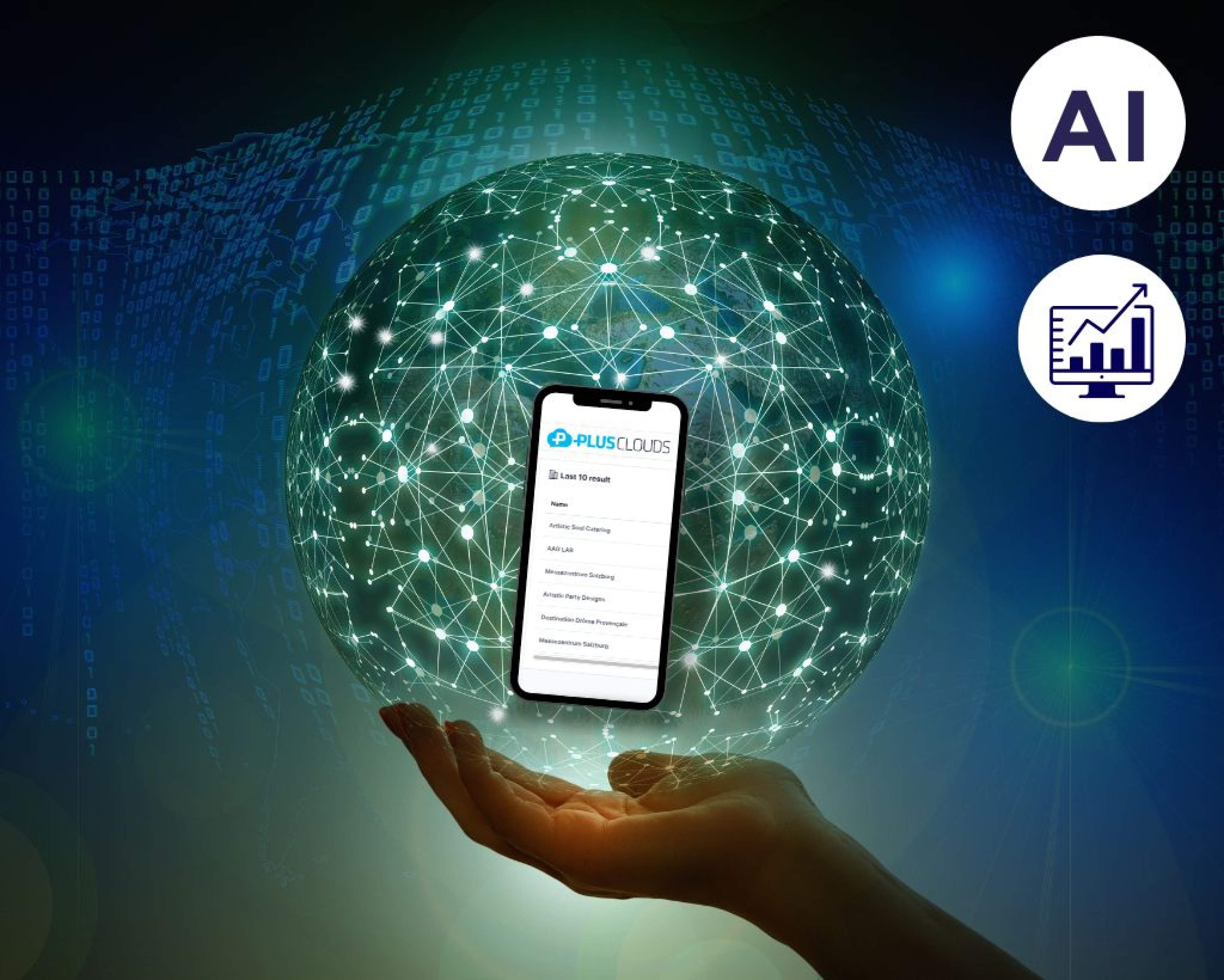
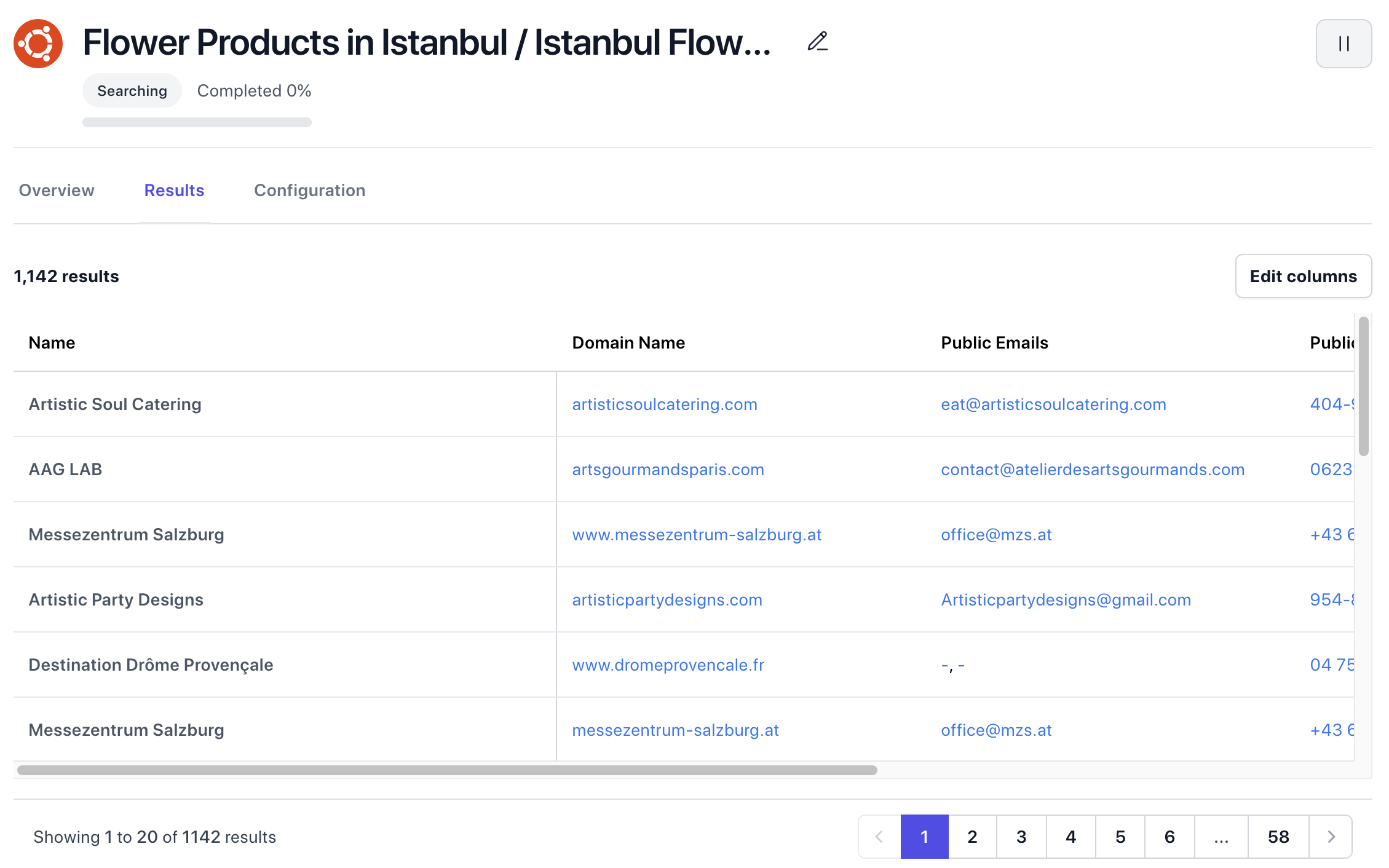
LeadOcean is a web scraping tool that automatically crawls billions of websites, analyzes company profiles on these sites, and specifically extracts the contact information of decision-makers (such as email, phone, and social media links). Not only that, it also integrates the collected data directly into CRM systems and even schedules your first meeting with potential customers through automatic calendar integrations.
But LeadOcean not only scans external data, it also analyzes your company website. Through this analysis, the products you offer, service descriptions, and your target industry are detected. Then, the platform creates the most suitable customer profile for you and matches you with potential customers.
This way;
Your website is analyzed. Your target audience and the services you offer are understood.
It becomes easier to reach your target audience,
Your sales team spends valuable time on meetings instead of data collection,
Your conversion rates increase,
The customer acquisition process shortens,
Your company generates direct revenue
For more information: LeadOcean
Other Everyday Life Examples
Web scraping is useful not only for technology companies but also for businesses in many different sectors. Here are some different usage scenarios.
1. Real Estate Sector: Competitor and Region Analysis
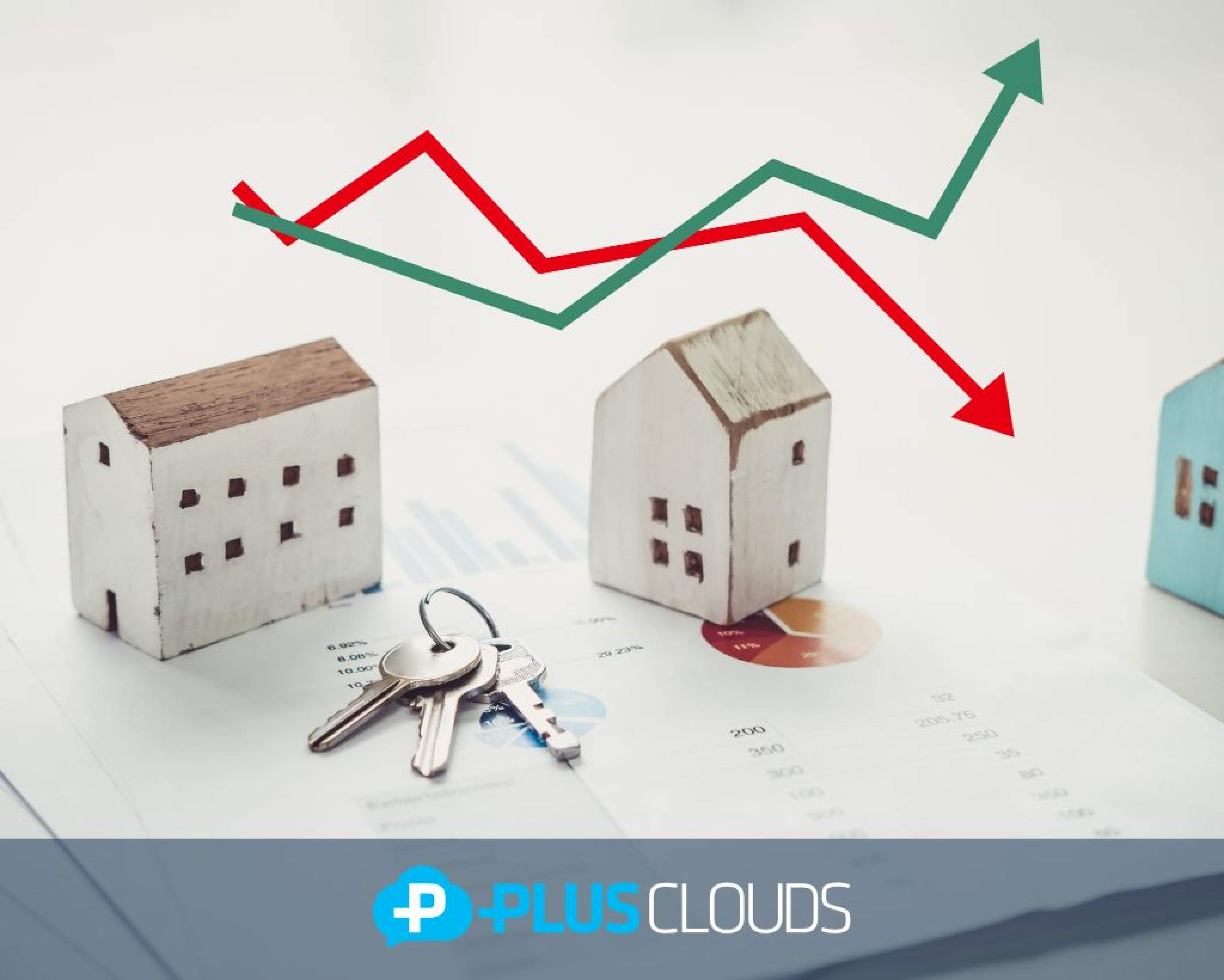
Imagine you are a real estate consultant. You want to find out the housing prices in the regions where you will make sales and compare for-sale and rental listings. Manually collecting data from sites like Sahibinden or Emlakjet can take weeks. With web scraping, these listings can be instantly pulled and analyzed via an Excel file or a custom dashboard.
2. E-Commerce: Price Tracking
An e-commerce company wants to regularly check the product prices of its competitors. Instead of visiting platforms like Amazon, Trendyol, or Hepsiburada every morning, a scraping bot visits these sites, retrieves the latest prices, and contributes to developing a strategy for price competition.
3. Human Resources: Resume Collection
A human resources company can use scraping tools to collect open positions or candidate profiles from various career sites or company websites. In this way, the recruitment process becomes more efficient.
Web Scraping: Is It Ethical and Legal?
The answer to this question is: “It depends on how it is used.”
Some websites restrict scraping operations through their robots.txt files. Scraping on these sites may be considered unethical or legally problematic. Additionally, for commercial use, attention should be paid to personal data protection laws (such as KVKK or GDPR).
However, on many sites that host publicly available and commercial data, scraping is both legally and functionally possible. Especially commercial data such as contact information does not pose a problem when used within certain permissions.
Conclusion: Finding Customers with Web Scraping Is Now Automated
Web scraping has become one of the most valuable business intelligence tools of the digital age. Thanks to platforms like LeadOcean, companies can now automatically find and initiate contact with their target customers instead of searching manually. This means direct revenue growth, time savings, and a competitive advantage.
If you also want to grow your business, reach the right customers faster, and automate your marketing processes, now might be the perfect time to consider web scraping technologies.
Remember: Whoever captures the data, captures the market.